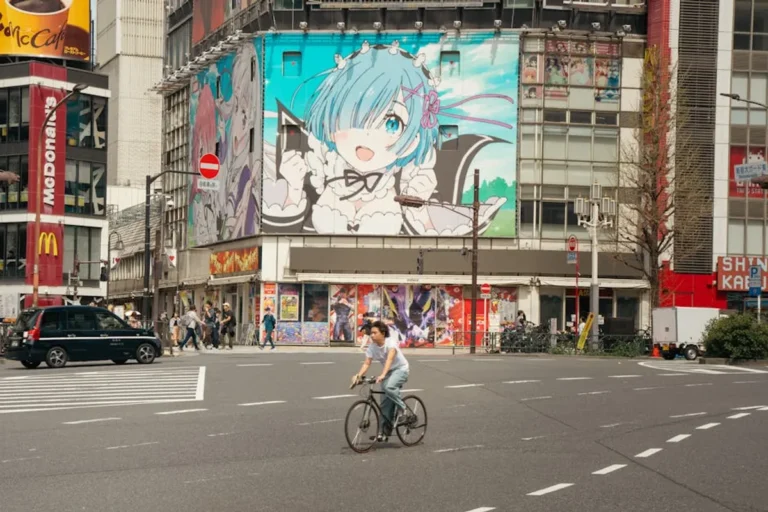

The global proliferation of Japanese pop culture represents a significant commercial and cultural phenomenon, driven by a confluence of creative output, strategic distribution, and evolving digital platforms. From manga and anime to video games, music, and fashion, Japan's cultural exports have transcended geographical and linguistic barriers, establishing a formidable presence in international markets. Understanding this trajectory involves examining the specific mechanisms that facilitated its spread, the commercial opportunities it created, and the enduring appeal that continues to capture diverse audiences worldwide. This article explores the key factors and historical developments behind Japanese pop culture's global ascent, offering insights into effective cultural export and audience engagement strategies. Understanding this trajectory involves examining the specific mechanisms that facilitated its spread, the commercial opportunities it created, and the enduring appeal that continues to capture the imagination, making it vital to follow current pop culture trends.
Early Foundations: Manga and Anime's Export Power
The initial wave of Japanese pop culture's global reach was significantly propelled by manga and anime. Unlike traditional media, these formats often presented visually distinct narratives and character designs that resonated beyond their domestic origins. Early successes like Osamu Tezuka's Astro Boy found international syndication in the 1960s, laying groundwork for future exports. Unlike traditional media, these formats often presented visually distinct narratives and character designs that resonated beyond their domestic origins, serving as an accessible entry point for newcomers.
The Role of Syndication and Localization
Mass syndication played a critical role. Anime series such as Speed Racer (original: Mach GoGoGo) and Voltron (original: Beast King GoLion) were heavily localized for Western audiences, often with altered plots, character names, and soundtracks. This process, while sometimes controversial among purists, made the content accessible and palatable to new demographics. The success of Dragon Ball Z and Pokémon in the late 1990s, through extensive television syndication and merchandise licensing, demonstrated the immense commercial potential of well-executed localization and brand management. These franchises generated billions in revenue from toys, trading cards, video games, and film adaptations.
Digital Piracy's Unintended Global Reach
Before widespread legal streaming, digital piracy, particularly through fan-subtitled releases, inadvertently acted as a global distribution network. Enthusiastic fan communities translated and shared anime and manga online, cultivating a dedicated international audience long before official distribution channels caught up. This created a pre-existing demand that later legitimate distributors could tap into, demonstrating the power of grassroots community building in market development.
Video Games: A Universal Language
Japanese video game developers established an early and enduring global footprint, leveraging interactive entertainment's inherently universal appeal. The medium's reliance on visual cues and gameplay mechanics often transcends language barriers more readily than narrative-heavy formats.
Console Dominance and Character IP
Companies like Nintendo and Sony PlayStation became household names worldwide. Franchises such as Super Mario Bros., The Legend of Zelda, Final Fantasy, and Resident Evil created iconic characters and gameplay loops that defined generations of gaming. The strength of this intellectual property (IP) allowed for extensive cross-media adaptations, from animated series to films and merchandise, further solidifying their global recognition and commercial value.
Esports and Streaming Platforms
The rise of esports and game streaming platforms like Twitch and YouTube Gaming has further amplified the global reach of Japanese games. Competitive titles, even those with strong Japanese origins, are played and watched by millions internationally, transforming gaming from a solo activity into a global spectator sport. This new paradigm offers developers and publishers additional revenue streams through sponsorships, advertising, and in-game purchases tied to competitive play.
Music and Fashion: J-Pop and Street Style
While perhaps not as immediately ubiquitous as anime or games, Japanese music (J-Pop) and fashion have cultivated significant global followings, particularly within specific subcultures and increasingly among mainstream audiences.
Idol Culture and Fan Engagement
J-Pop's idol culture, exemplified by groups like AKB48 and Arashi, emphasizes direct fan engagement through concerts, fan events, and social media. This model fosters intense loyalty and active participation, with fans often coordinating global support campaigns. The visual aesthetics and choreographed performances of J-Pop acts also translate well across cultures, often going viral on platforms like TikTok and YouTube.
Subcultures and Niche Appeal
Japanese street fashion, originating from districts like Harajuku, has influenced global trends and inspired countless designers. Styles such as Lolita, Visual Kei, and Shibuya-kei, initially niche, have gained international recognition, demonstrating the commercial viability of distinct aesthetic movements. Cosplay, the practice of dressing as characters, directly links fashion to anime and gaming, creating a global community and a multi-million dollar industry around costumes, props, and conventions.
Soft Power and Cultural Diplomacy
The Japanese government has actively recognized and leveraged the global appeal of its pop culture as a form of "soft power," promoting a positive national image and fostering international relations.
Government Initiatives and Tourism
The "Cool Japan" initiative, launched in 2010, is a prime example of this strategy. It aims to support and promote Japanese creative industries globally, including anime, manga, fashion, and cuisine. This initiative facilitates international business partnerships, cultural exchange programs, and tourism, directly translating cultural interest into economic benefit. Events like Anime Expo in Los Angeles or Japan Expo in Paris draw hundreds of thousands of attendees, showcasing the commercial and cultural impact.
Academic Interest and Global Studies
The global spread of Japanese pop culture has also spurred academic interest, leading to the establishment of Japanese studies programs and cultural analysis courses worldwide. This institutional recognition further legitimizes and perpetuates the cultural influence, fostering deeper understanding and continued engagement with Japanese media and traditions.
Pro Tip: Successful global cultural export hinges on a delicate balance between preserving authentic cultural elements and strategic localization for diverse audiences. Over-localization risks losing unique appeal, while insufficient adaptation can hinder market penetration. Understanding specific market nuances is paramount for commercial success.
Key Drivers of Global Expansion
- Strong Intellectual Property (IP): Iconic characters and compelling narratives create enduring franchises.
- Digital Distribution Platforms: Streaming services, online gaming, and social media accelerate content reach.
- Active Fan Communities: Grassroots enthusiasm and fan-driven content creation amplify global awareness.
- Strategic Localization: Adapting content for new markets while retaining core appeal.
- Cross-Media Synergy: Leveraging characters and stories across games, anime, manga, and merchandise.
- Government Support: Initiatives like "Cool Japan" provide promotional and financial backing.
- Visual and Narrative Uniqueness: Distinctive artistic styles and storytelling approaches differentiate Japanese content.
Leveraging Global Cultural Trends
The globalization of Japanese pop culture offers a compelling case study in effective cultural export and brand building. Its success is not merely accidental but the result of sustained creative output, adaptability to new technologies, and a deep understanding of audience engagement. For businesses and creators, the lessons are clear: cultivate strong, unique IP; embrace digital platforms for distribution and community building; and strategically balance cultural authenticity with market-specific localization. The enduring appeal of Japanese pop culture demonstrates that cultural products, when managed effectively, can transcend borders to become significant commercial assets and powerful tools of soft diplomacy.
Frequently Asked Questions
What is "Cool Japan"?
Cool Japan is a government initiative launched by Japan to promote Japanese culture, including anime, manga, fashion, and food, on a global scale. Its goal is to boost the nation's soft power, enhance its international image, and stimulate economic growth through cultural exports and tourism.
Which Japanese pop culture exports are most globally recognized?
Anime series like Pokémon, Dragon Ball, and Attack on Titan, along with video game franchises such as Super Mario Bros., The Legend of Zelda, and Final Fantasy, are among the most globally recognized Japanese pop culture exports. These properties have achieved widespread commercial success and cultural penetration.
How do digital platforms contribute to its global spread?
Digital platforms like Crunchyroll, Netflix, YouTube, and Twitch have been instrumental in the global spread of Japanese pop culture. They provide accessible, legal avenues for international audiences to consume anime, J-Pop, and video game content, bypassing traditional geographical distribution barriers and fostering global fan communities.
What commercial impact has Japanese pop culture had globally?
The global commercial impact is substantial, generating billions of dollars annually through media consumption, merchandise sales, licensing, tourism, and related industries. It drives significant revenue for entertainment companies, retailers, and even local economies through events and conventions worldwide.