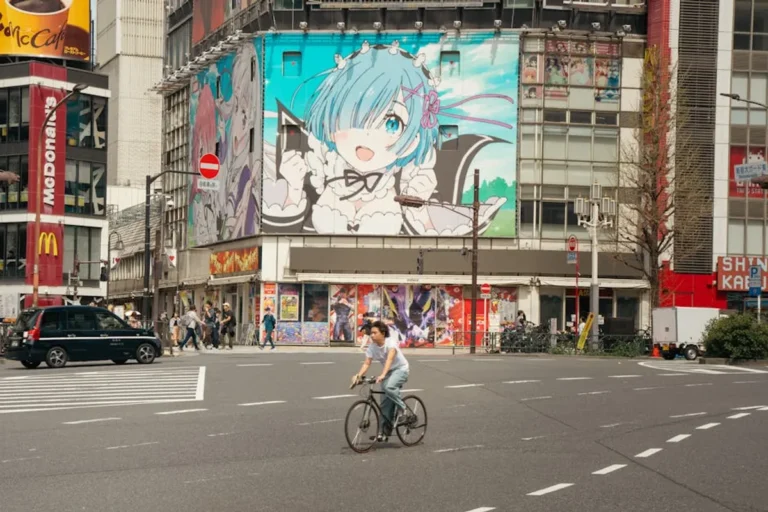

The global ubiquity of Japanese pop culture—from anime conventions drawing hundreds of thousands to J-Pop dominating streaming charts—is not an accidental phenomenon. It represents a deliberate and often organic confluence of unique creative output, strategic distribution, and adaptive fan engagement that offers critical lessons for any entity aiming for international cultural resonance. Understanding the mechanisms behind this cultural export provides a framework for analyzing how niche cultural products can transcend borders and achieve mainstream acceptance, particularly in fragmented digital landscapes.
Early Foundations: Manga and Anime as Beachheads
The initial inroads for Japanese pop culture were largely paved by manga (comics) and anime (animation). These mediums offered distinctive narrative structures and visual styles that stood apart from Western counterparts, creating a unique selling proposition in a crowded entertainment market.
Post-War Narrative and Artistic Innovation
Post-World War II Japan saw the emergence of manga artists like Osamu Tezuka, who blended traditional Japanese art with Disney-esque animation techniques, creating a visual language that was both familiar and novel. This period fostered genres like shōnen (for boys) and shōjo (for girls) that focused on themes of perseverance, friendship, and self-discovery, resonating with universal human experiences. The serialized nature of manga, often published weekly in anthologies, also created a continuous engagement loop, building anticipation and loyalty among readers.
Distribution and Fan Subculture
Before official licensing became widespread, the globalization of Japanese animation was significantly propelled by grassroots fan efforts. In the 1980s and 90s, fan subtitling (fansubs) and tape trading networks allowed popular anime series to circulate internationally, bypassing traditional media gatekeepers. This created an organic, highly engaged audience base that was already familiar with and passionate about the content by the time official distributors began to take notice. This bottom-up adoption demonstrated a clear market demand, de-risking later commercial ventures.
The Digital Revolution and Global Accessibility
The advent of the internet and subsequent rise of digital distribution platforms proved to be a watershed moment, transforming niche interest into widespread accessibility.
Internet's Role in Fan Engagement
Online forums, dedicated websites, and early social media platforms became central hubs for Japanese pop culture enthusiasts. These digital communities facilitated discussions, shared recommendations, and organized fan events, effectively amplifying reach through word-of-mouth marketing on a global scale. This collective engagement fostered a sense of belonging and cultivated deeper loyalty, turning casual viewers into advocates. The internet also allowed for rapid dissemination of news and updates from Japan, reducing the information lag that once characterized cultural exchange.
Streaming Platforms and Official Localization
The shift from physical media and illicit fansubs to legal streaming services marked a critical turning point. Platforms offering localized subtitles and dubs made anime, in particular, accessible to a broader, more casual audience. This convenience, combined with affordable subscription models, removed significant barriers to entry. The ability to watch new episodes shortly after their Japanese broadcast also minimized the appeal of unofficial channels, solidifying the commercial ecosystem around these cultural products.
Music (J-Pop) and Gaming's Crossover Appeal
Beyond visual media, Japanese music and video games have also played pivotal roles in establishing a global footprint, often leveraging existing fanbases and cross-promotional synergies.
J-Pop's Strategic Integration
Japanese popular music (J-Pop) frequently gained international exposure through its integration into anime series as opening or ending themes. This symbiotic relationship meant that fans of a popular anime would inevitably be exposed to its accompanying music, often leading them to explore the artists further. Bands like L'Arc-en-Ciel and Utada Hikaru gained significant fanbases outside Japan through their contributions to iconic anime titles and video games. The visual appeal of J-Pop music videos and the charismatic performance styles of idol groups also contributed to their cross-cultural appeal, particularly on platforms like YouTube.
Console Gaming's Universal Language
Japanese video game developers established a global dominance early on, with companies introducing iconic franchises that transcended language barriers through intuitive gameplay and compelling characters. The success of these titles created a universal gaming culture that often served as an entry point into broader Japanese pop culture. Gamers who appreciated Japanese game design often developed an interest in anime, manga, or other cultural facets, demonstrating the power of a synergistic media ecosystem.
Pro Tip: For brands seeking global market penetration, observe how Japanese cultural exports leveraged early adopters and community building before mainstream media adoption. This "bottom-up" approach often cultivates deeper loyalty and more authentic advocacy, providing a strong foundation for future commercial growth. Prioritize engagement with passionate subcultures as a proving ground for broader appeal.
Cultural Export and Soft Power
The global ascent of Japanese pop culture is not merely a commercial success story but also a significant exercise in soft power, enhancing Japan's international image and influence.
Government Initiatives and "Cool Japan"
Recognizing the economic and diplomatic potential of its cultural products, the Japanese government launched initiatives like "Cool Japan." This program aimed to strategically promote Japanese culture—including anime, manga, fashion, food, and traditional arts—abroad. While its effectiveness has been debated, "Cool Japan" signaled a national commitment to cultural export, providing funding, infrastructure, and promotional support that helped formalize and amplify existing organic trends.
Fashion, Food, and Lifestyle
The success of anime and gaming created an appetite for other aspects of Japanese culture. Japanese fashion, from Harajuku street styles to designer brands, found international followers. Similarly, Japanese cuisine, initially a niche, became a global phenomenon, driven by both authenticity and innovation. This ripple effect demonstrates how successful cultural exports can open doors for related industries, creating a broader ecosystem of influence.
Key Factors in Japanese Pop Culture's Global Ascent:
- Distinctive Artistic Styles: Unique visual aesthetics and narrative approaches.
- Early Digital Adaptability: Leveraging fan communities and online platforms for distribution.
- Strong Narrative Depth: Engaging storytelling that resonates universally.
- Community-Driven Advocacy: Passionate fanbases acting as organic promoters.
- Synergistic Media Ecosystems: Cross-promotion between anime, manga, games, and music.
- Cultural Authenticity with Accessibility: Maintaining unique identity while offering localized entry points.
Sustaining Global Cultural Influence
The continuous evolution of Japanese pop culture demonstrates that global resonance is not a static achievement but an ongoing process requiring consistent innovation, adaptation to new platforms, and a deep understanding of evolving global consumer preferences. Future success hinges on balancing cultural authenticity with accessible localization, fostering new talent, and engaging directly with diverse international communities. For marketers and strategists, the Japanese pop culture phenomenon illustrates the power of long-term investment in unique creative assets, coupled with agile distribution and community-centric engagement strategies.
Frequently Asked Questions
What role did technology play in the global spread of Japanese pop culture?
Technology, particularly the internet and streaming platforms, was crucial. It enabled grassroots fan communities to share content (fansubs), fostered global discussions, and later provided official, accessible, and localized distribution channels that transitioned niche interests into mainstream consumption.
How did government initiatives impact this globalization?
Government initiatives like "Cool Japan" provided strategic support, funding, and promotional frameworks for Japanese cultural exports. While organic fan movements initially drove much of the globalization, government backing helped formalize, amplify, and legitimize these efforts on a larger international stage.
Beyond anime and manga, what other Japanese cultural elements gained global traction?
Alongside anime and manga, Japanese video games (e.g., Nintendo, PlayStation franchises), J-Pop music, fashion styles (e.g., Harajuku), and cuisine (e.g., sushi, ramen) have achieved significant global popularity, often benefiting from the groundwork laid by earlier media exports.
What are the commercial implications of this cultural export for businesses?
The success of Japanese pop culture offers insights into global market entry, the power of community building, and the value of unique cultural assets. It demonstrates that authentic content, when strategically distributed and localized, can create significant economic value and foster brand loyalty across diverse international markets.