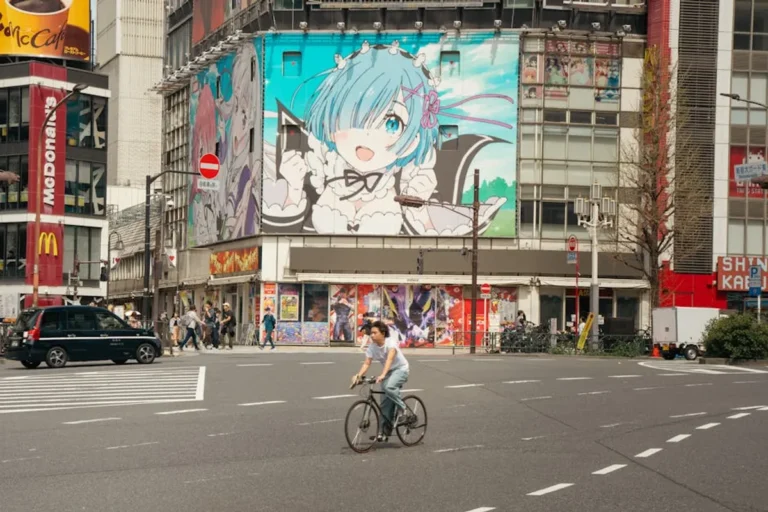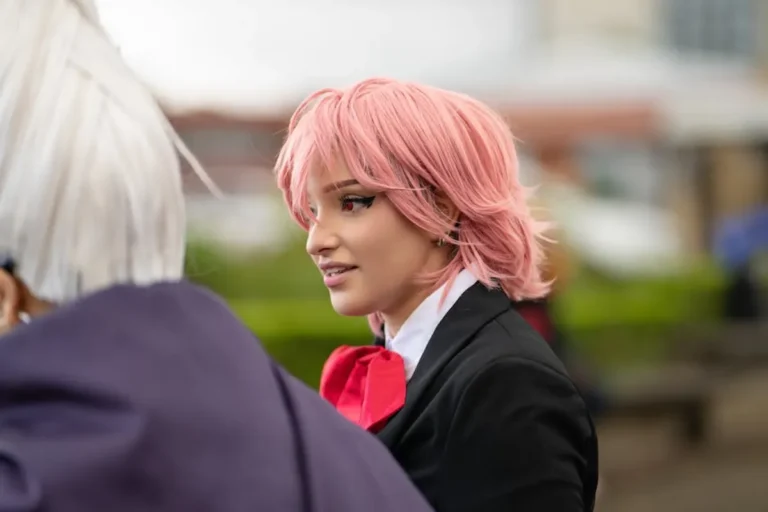
For businesses, marketers, and content creators aiming to connect with global audiences influenced by Japanese media, anticipating pop culture shifts is not merely an exercise in foresight; it is a commercial imperative. The landscape of Japanese pop culture is dynamic, driven by technological integration, evolving consumption habits, and a continuous reinterpretation of tradition. Understanding these trajectories for 2026 allows for proactive strategy development in product design, content localization, and marketing campaigns, ensuring relevance and resonance in a competitive global market. Ignoring these emerging currents risks missed opportunities and a disconnect from significant consumer segments.
The Evolving VTuber and AI-Generated Persona Landscape
The virtual talent (VTuber) phenomenon, pioneered largely in Japan, is moving beyond live streaming and entertainment into a more integrated, AI-driven ecosystem. By 2026, expect less emphasis on individual human performers behind the avatars and more on AI-generated personalities capable of autonomous interaction, real-time content creation, and personalized engagement at scale. This shift will enable brands to deploy AI-driven VTubers as always-on brand ambassadors, customer service representatives, or even product designers, offering consistent messaging and 24/7 interaction without human operational costs.
- Personalized Brand Interaction: AI VTubers will adapt their communication style and content based on individual user data, creating highly customized brand experiences.
- Autonomous Content Generation: These entities will be capable of generating short-form video, social media posts, and even basic product concepts independently, driven by market trends and user feedback.
- Cross-Platform Integration: Expect seamless integration of AI VTubers across gaming, social media, e-commerce platforms, and even metaverse environments, acting as persistent brand presences.
Commercial Application: Brands can invest in developing AI-powered virtual personas that embody their values and interact directly with consumers, offering a scalable solution for engagement and brand loyalty building. This moves beyond traditional influencer marketing by offering a fully controllable, persistent brand face.
Neo-Traditionalism and Aesthetic Blending
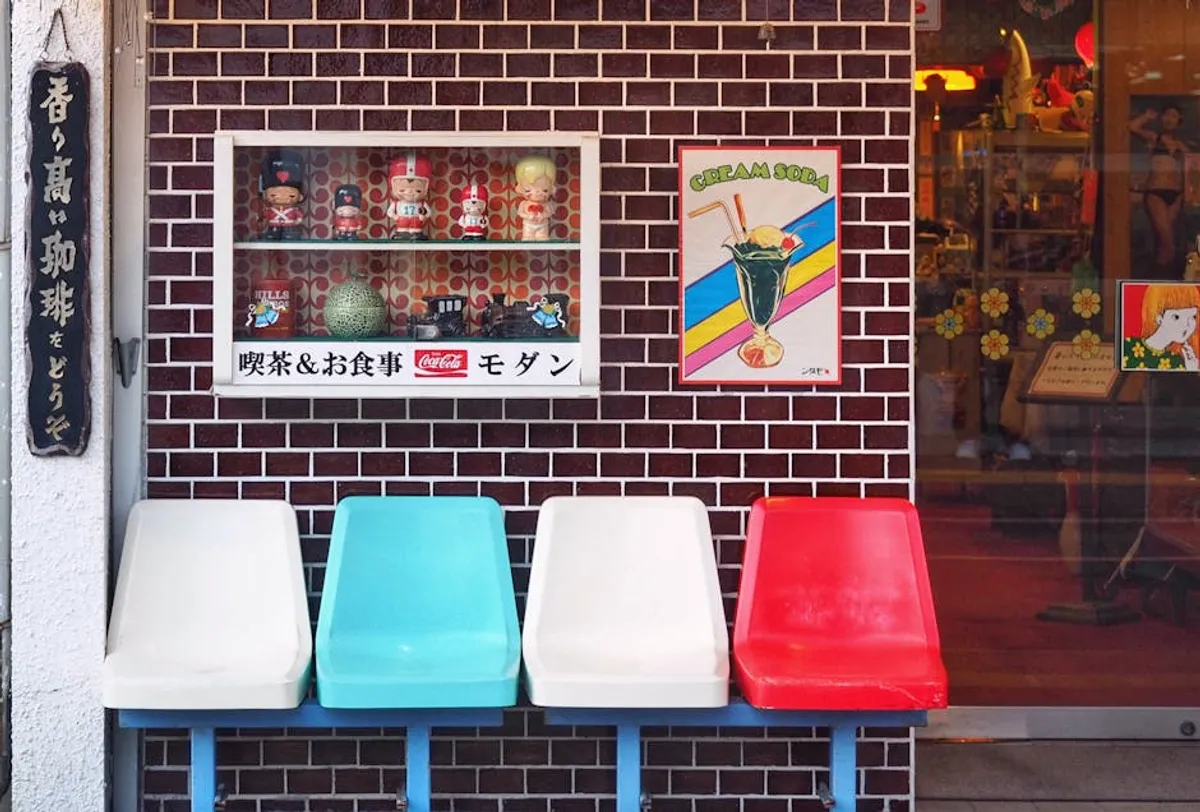
Japanese aesthetics have always influenced global design, but 2026 will see a refined "neo-traditionalism" emerge. This trend involves a conscious blending of classical Japanese art forms, architectural principles, and philosophical concepts (like wabi-sabi or mono no aware) with modern digital tools, sustainable materials, and contemporary design sensibilities. This isn't mere nostalgia; it's a sophisticated reinterpretation that finds new relevance in a globally conscious, digitally native world. Think traditional woodblock print aesthetics applied to augmented reality filters, Edo-period textile patterns re-imagined for sustainable streetwear, or Zen garden principles guiding minimalist tech product interfaces.
This trend is visible in:
Digital Art and NFTs: Artists are using traditional Japanese painting techniques and motifs, then digitizing and animating them for NFT collections, providing a unique cultural anchor in the digital art space.
Sustainable Fashion: Designers are drawing on historical Japanese garment construction (e.g., kimono patterns, indigo dyeing) to create eco-friendly, timeless apparel that emphasizes longevity and craftsmanship over fast fashion cycles.
Interior Design and Product: A focus on natural materials, clean lines, and functional minimalism, often incorporating elements like bamboo, ceramic, or paper, but with smart home technology integration or modular flexibility.
Commercial Application: Product developers can integrate neo-traditional design elements into consumer electronics, apparel, or home goods to appeal to a sophisticated market segment seeking cultural depth and aesthetic refinement. Marketing efforts can highlight the craftsmanship, heritage, and sustainable aspects of these designs.
Pro Tip: When engaging with neo-traditional aesthetics, authenticity is paramount. Superficial appropriation without genuine understanding or collaboration with Japanese artists/designers can lead to misrepresentation and consumer backlash. Prioritize partnerships and thorough cultural research to ensure respectful and impactful integration.
Interactive and Gamified Content Experiences
The passive consumption of Japanese media is increasingly being augmented by interactive and gamified elements. This trend, already evident in webtoons and visual novels, will expand significantly by 2026 into anime, short-form digital series, and even educational content. Audiences are no longer content to just watch; they want to influence narratives, customize character appearances, and participate directly in the story's progression. This shift is fueled by improvements in streaming technology, accessible game development tools, and a generation accustomed to user-generated content and personalized digital experiences.
This manifests as:
Choose-Your-Own-Adventure Anime: Streaming platforms will offer more series where viewer choices impact plot points, character relationships, and endings, creating multiple narrative pathways.
Gamified Manga/Webtoons: Digital comics that integrate mini-games, puzzles, or decision points that unlock bonus content or alter story outcomes, deepening reader engagement.
Interactive Live Streams: Beyond simple polls, streamers will integrate complex systems allowing viewers to directly influence game outcomes, character actions, or even the flow of a virtual concert.
Commercial Application: Content creators and publishers can explore interactive storytelling formats to increase audience retention and foster deeper connections. Brands can sponsor or develop interactive content that subtly integrates product placement or allows consumers to "play" through scenarios featuring their offerings, creating memorable and engaging brand touchpoints.
Strategic Integration for Brands
To effectively leverage these trends, brands must move beyond superficial engagement. For the VTuber ecosystem, this means considering long-term AI persona development and integration into core marketing funnels, not just one-off campaigns. For neo-traditionalism, it requires investment in design research and potential collaborations with Japanese artisans or cultural institutions to ensure genuine representation. With interactive content, the focus should be on crafting compelling, branching narratives that provide real agency to the audience, rather than simplistic click-throughs.
The commercial utility lies in:
- Audience Segmentation: Identifying which segments of your target audience are most receptive to these specific trends.
- Content Diversification: Expanding content portfolios to include interactive experiences, AI-driven narratives, or products with neo-traditional design elements.
- Partnership Opportunities: Collaborating with Japanese creators, tech developers, or cultural experts to ensure authentic and impactful execution.
- Early Adaption Advantage: Establishing a presence in these emerging spaces before they become saturated, securing mindshare and market position.
The goal is to cultivate a perceptive understanding of the underlying cultural currents, enabling strategic decisions that resonate with a global audience increasingly attuned to Japanese cultural output.
Actionable Outlook for 2026
The trajectory of Japanese pop culture into 2026 indicates a future where technology and tradition intertwine more deeply, creating rich new avenues for consumer engagement. Businesses should prioritize investment in AI-driven virtual personas for scalable brand presence, explore neo-traditional design principles for product differentiation, and develop interactive content strategies to foster deeper audience participation. These are not isolated phenomena but interconnected shifts reflecting a desire for authenticity, personalization, and immersive experiences. Proactive engagement with these trends will position brands and creators for sustained relevance and commercial success in the evolving global marketplace.
Frequently Asked Questions
How can businesses identify specific sub-trends within Japanese pop culture?
Monitoring Japanese social media platforms, niche online communities, and specialized industry publications provides granular insights. Attending virtual or physical industry events and collaborating with local trend forecasting agencies also offers specific data points.
What are the risks of misinterpreting Japanese pop culture trends?
Misinterpretation can lead to cultural appropriation, inauthentic messaging, and alienation of the target audience. It can damage brand reputation and result in commercially unsuccessful campaigns that fail to resonate.
Should brands focus on global or localized Japanese pop culture trends?
A dual approach is often most effective. Identify globalized trends (like VTubers) that have broad appeal, but also understand localized nuances that can be adapted for specific regional markets or to provide unique, authentic content.