Jibhi, nestled in the Tirthan Valley of Himachal Pradesh, offers a distinct retreat from mainstream tourist destinations. It appeals to travelers prioritizing tranquil natural environments, authentic local experiences, and opportunities for soft adventure over crowded attractions. This guide provides a comprehensive overview for planning a visit, detailing essential activities, practical travel considerations, and insights to ensure a well-prepared and rewarding journey into this less-explored Himalayan hamlet.
Understanding Jibhi: Location and Vibe
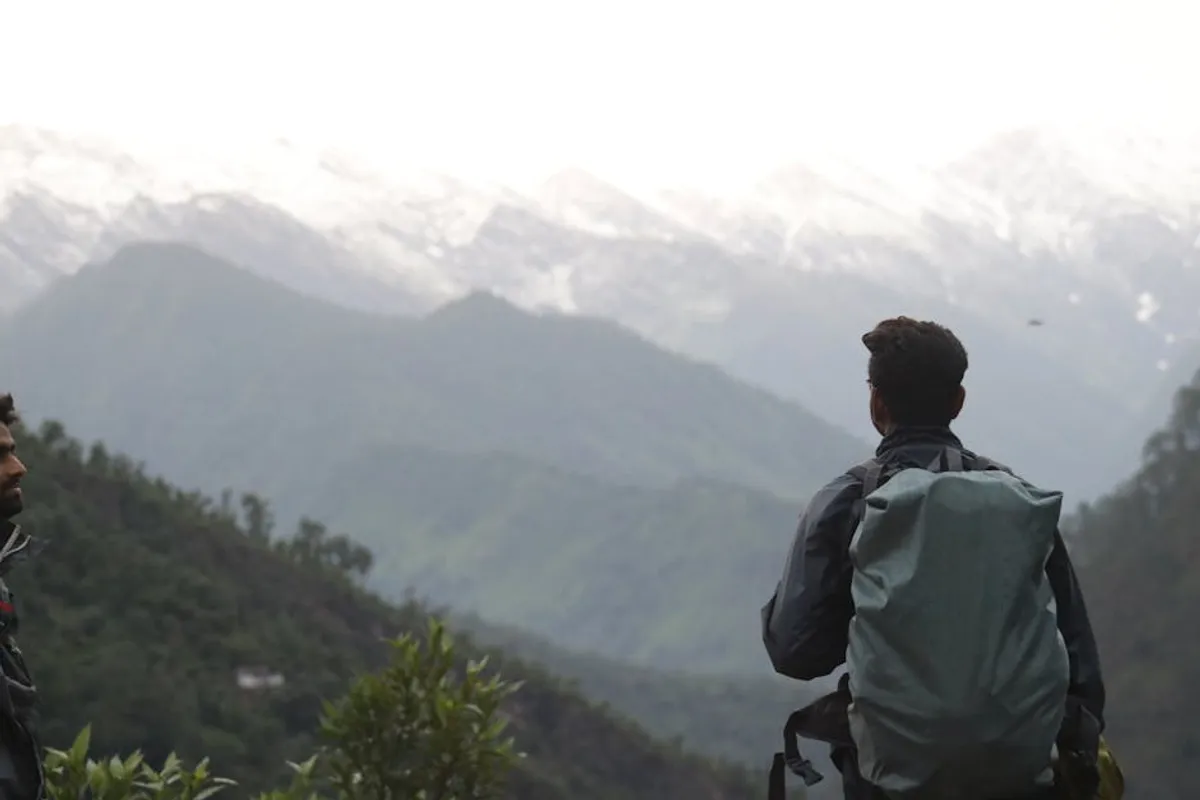
Jibhi is situated at an elevation of approximately 5,300 feet (1,600 meters) within the Seraj Valley, a part of the larger Tirthan Valley. Its landscape is characterized by dense pine and deodar forests, a meandering river, and traditional Himachali architecture. The village maintains a slower pace, emphasizing connection with nature and local culture. Unlike more commercialized hill stations, Jibhi's infrastructure supports a quieter, more immersive experience, making it suitable for those seeking respite and genuine interaction with the Himalayan environment. The climate varies significantly by season, with pleasant summers (May-June), lush monsoons (July-August), vibrant autumns (September-November), and snowy winters (December-February).
Getting to Jibhi: Access and Routes
Accessing Jibhi primarily involves a combination of road travel. The nearest major transport hubs are Bhuntar Airport (Kullu) and Kiratpur Sahib railway station, though most travelers opt for overnight buses from Delhi or Chandigarh to Aut. From Aut, Jibhi is approximately a 1.5 to 2-hour drive.
- By Air: Bhuntar Airport (Kullu) is the closest, about 60 km away. From Bhuntar, taxis are available, or one can take a local bus towards Aut and then transfer.
- By Train: The nearest broad gauge railway station is Kiratpur Sahib, roughly 170 km from Jibhi. Chandigarh railway station is another option, approximately 250 km away, offering more frequent train services. From both, onward travel is by bus or taxi.
- By Bus: Overnight Volvo buses from Delhi (Kashmere Gate ISBT) or Chandigarh to Manali typically drop passengers at Aut Tunnel. From Aut, local buses run towards Banjar and then Jibhi, or taxis can be hired directly. Direct buses to Banjar are also available from major cities.
- By Car: Self-driving is an option for experienced mountain drivers. The route from Delhi generally passes through Chandigarh, Sundernagar, Mandi, and Aut, then takes a turn towards Banjar and Jibhi. Roads can be challenging, especially during monsoon or winter.
Accommodation Options in Jibhi
Jibhi offers a range of accommodation, from rustic homestays to boutique guesthouses, reflecting its focus on local integration and natural settings. Advance booking is advisable, particularly during peak seasons (May-June and October-November).
Best for:
- Homestays: Travelers seeking an authentic cultural experience, home-cooked meals, and direct interaction with local families. These often provide insights into Himachali customs and daily life.
- Guesthouses/Hotels: Those preferring more standardized amenities, private rooms, and sometimes in-house dining facilities. Options range from basic to mid-range comfort.
- Campsites/Hostels: Budget-conscious travelers and backpackers. Some offer dormitory-style accommodation or tent pitches, fostering a communal atmosphere.
Many establishments are built with traditional wood and stone, blending into the natural environment. Verify amenities like heating, Wi-Fi, and hot water, as these can vary significantly.
Essential Activities: Things to Do in Jibhi
Jibhi's appeal lies in its outdoor activities and opportunities for quiet contemplation. Activities primarily revolve around nature and local culture.
Nature Walks and Treks
The surrounding forests and valleys offer numerous trails. The trek to Serolsar Lake, a high-altitude lake surrounded by deodar trees, is a popular full-day excursion. It involves a moderate climb from Jalori Pass, offering panoramic views of the Himalayas. Shorter walks along the Jibhi stream or through local apple orchards provide gentler options for exploration.
Waterfalls and Riverside Experiences
The Jibhi Waterfall, a short walk from the main village, provides a refreshing spot for relaxation and photography. The Tirthan River, known for its trout, flows nearby, offering opportunities for riverside picnics or simply enjoying the sound of flowing water. Fishing permits can be obtained for angling in designated sections of the river.
Cultural Immersion and Local Villages
Visiting nearby villages like Chehni Kothi offers a glimpse into traditional Himachali architecture, featuring a multi-storied tower-temple. Exploring the local markets in Banjar provides an opportunity to purchase local produce, handicrafts, and interact with the community. Engaging with local residents often reveals unique cultural practices and stories.
Adventure Sports
While not a major adventure sports hub, Jibhi and the wider Tirthan Valley offer limited options. These include short rappelling or rock-climbing sessions organized by local guides, and river crossing activities. Specific arrangements usually need to be made in advance with local operators.
Pro Tip: Mobile network connectivity in Jibhi can be inconsistent, especially for data services. While some guesthouses offer Wi-Fi, it's prudent to download offline maps, essential documents, and any entertainment before arriving. Carrying some cash is also advisable, as ATMs are limited to Banjar, approximately 8 km away, and digital payment options may not be universally accepted.
Planning Your Visit: Practical Travel Tips
A well-planned trip enhances the Jibhi experience. Consider these practical aspects:
- Best Time to Visit:
- Spring (March-April): Pleasant weather, blooming flowers, ideal for trekking.
- Summer (May-June): Warm days, cool nights, popular for escaping the heat.
- Autumn (September-November): Clear skies, vibrant foliage, comfortable temperatures.
- Winter (December-February): Snowy landscapes, ideal for those seeking a winter wonderland, but roads can be challenging.
- Clothing: Layered clothing is essential due to varying temperatures. Include warm jackets, hats, and gloves, even in summer, for evenings. Waterproof outerwear is recommended during monsoon and winter.
- Footwear: Sturdy walking shoes or hiking boots are crucial for exploring trails and uneven terrain.
- Health & Safety: Carry basic first-aid supplies. While Jibhi is generally safe, always inform someone of your trekking plans. Local medical facilities are basic; for serious issues, one might need to travel to larger towns.
- Local Etiquette: Respect local customs. Dress modestly, especially when visiting temples or interacting with elders. Ask for permission before photographing people.
- Sustainability: Jibhi is a pristine natural area. Practice responsible tourism by avoiding littering, conserving water, and supporting local businesses.
Making the Most of Your Jibhi Trip
To fully appreciate Jibhi, allocate sufficient time for exploration and relaxation. A stay of 3-5 days allows for a balance of activities and downtime. Engage with local guides for treks to gain deeper insights into the flora, fauna, and folklore of the region. Consider visiting during a local festival to experience Himachali culture firsthand, though this requires specific timing and research. The essence of Jibhi lies in its tranquility and the opportunity to disconnect, so embrace the slower pace and natural surroundings for a truly rejuvenating experience.
Frequently Asked Questions
How many days are ideal for a Jibhi trip?
A 3 to 5-day trip is generally recommended to experience Jibhi's main attractions, undertake a significant trek like Serolsar Lake, and also allow for relaxation amidst nature.
Is Jibhi suitable for families with children?
Yes, Jibhi can be family-friendly, especially for families who enjoy nature and outdoor activities. Shorter walks, riverside picnics, and comfortable homestays make it accessible, though some longer treks might be challenging for very young children.
Are there vegetarian food options available in Jibhi?
Yes, vegetarian food is widely available. Most homestays and guesthouses offer traditional Himachali vegetarian meals, and local eateries also cater to vegetarian preferences.
What kind of local transport is available within Jibhi?
Within Jibhi itself, most distances are covered on foot. For travel to nearby villages or attractions like Jalori Pass and Banjar, shared taxis or private cabs are the primary modes of transport. Local buses also connect Banjar to surrounding areas but are less frequent.