
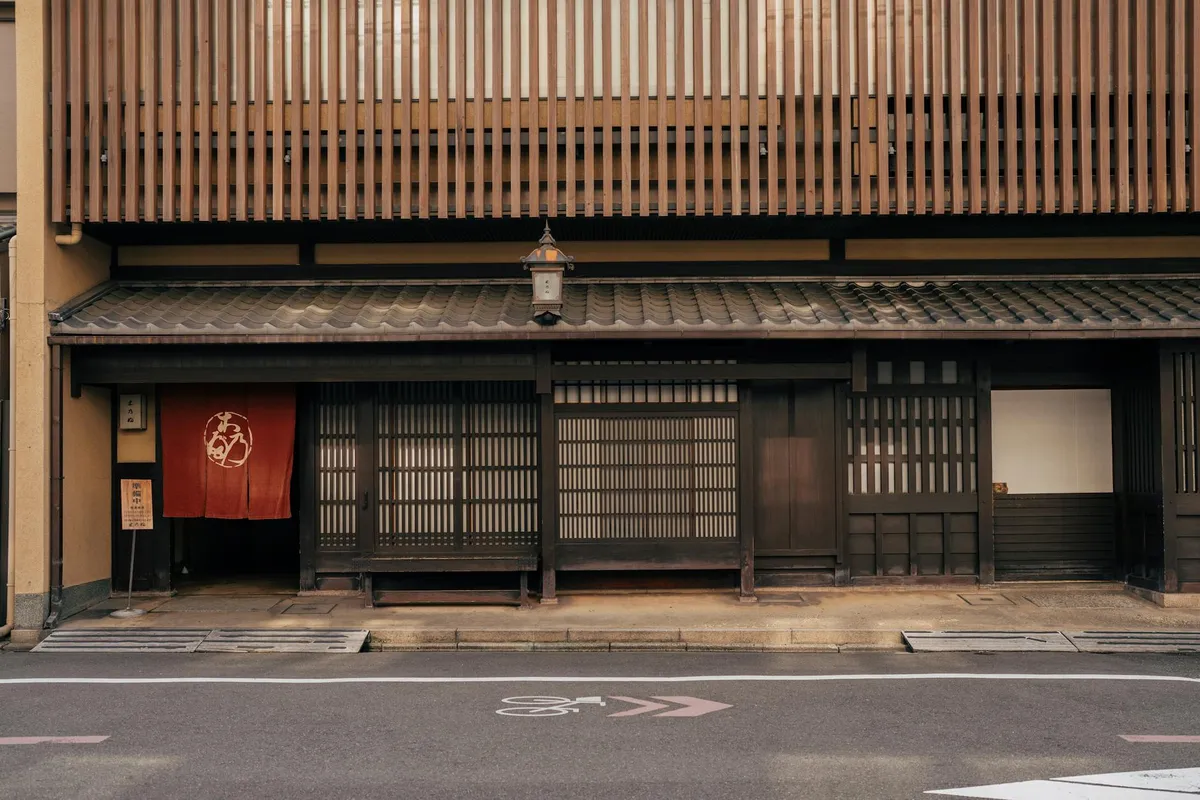
The Western framing of Japanese culture often divides it into "tradition" and "modernity" — the kimono and the salaryman, the temple and the shopping district, the tea ceremony and the smartphone. The framing produces understandable journalism but misses what is actually happening in Japanese cultural production.
Japanese tradition is not a static heritage from the past that exists in opposition to modern life. It is a constantly negotiated ongoing relationship between inherited practices and contemporary conditions. The negotiation is subtle, complex, and substantially more interesting than the binary framing suggests.
What the binary framing gets wrong
Several specific things the "tradition vs modernity" framing misses:
1. Most "traditions" are themselves modern productions. Many practices presented as ancient Japanese tradition were actually formalized or substantially modified in the 19th or 20th centuries. The "traditional" tea ceremony as currently practiced has elements developed in the 19th century. Many "traditional" festivals were standardized for modern tourism. The "traditional" kimono industry was substantially restructured in the 20th century.
2. Modernity in Japan has its own deep history. Japanese engagement with various forms of modernity goes back at least to the late 19th century Meiji period. What looks like tension between tradition and modernity is often tension between different modern formulations of inherited practices.
3. The same Japanese person typically navigates both registers fluidly. The salaryman who attends a traditional festival, the young professional who occasionally practices tea ceremony, the suburbanite who maintains a household shrine — these are not exceptions but normal patterns. The compartmentalization that the binary framing implies does not match how people actually live.
4. Innovation often emerges from within traditional contexts. Many of the most interesting contemporary Japanese cultural productions come from people deeply trained in traditional practices who are doing new things within them. This is not abandonment of tradition; it is the tradition continuing to develop.
What the actual negotiation looks like
Several specific examples of how Japanese culture handles the relationship between inherited practice and contemporary conditions.
Traditional crafts adopting new applications. Bizen pottery being used in contemporary restaurants and homes rather than only in tea ceremony. Lacquerware appearing in fashion accessories. Traditional weaving techniques used in contemporary fashion. The crafts continue but the contexts evolve.
Religious practices adapted to contemporary schedules. Buddhist funeral practices simplified for contemporary work patterns. Shinto observances modified to accommodate suburban life. The forms continue but the timing and intensity adjust.
Festivals balancing authenticity and accessibility. Many traditional festivals maintain their core ritual elements while adapting to contemporary tourism. The result is festivals that continue to function for community members while accommodating outside visitors.
Architectural traditions in contemporary buildings. Many contemporary Japanese architects integrate traditional principles (engawa, shoji, tatami modules) into modern buildings. The result is contemporary architecture that maintains continuity with traditional spatial sensibilities.
Food traditions evolving without dissolving. Contemporary Japanese cuisine maintains substantial continuity with traditional approaches while incorporating new ingredients and techniques. The most innovative chefs are typically also the most deeply trained in traditional methods.
None of these is "tradition vs modernity." All are ongoing negotiations within Japanese culture about how inherited practices continue.
The role of formal designation
Japan has developed institutional structures for managing the negotiation. The most famous is the "Living National Treasure" designation, which formally recognizes individual practitioners of traditional arts and crafts whose work is judged exceptional.
The designation does several things. It provides formal recognition and modest financial support to designated practitioners. It establishes standards for what counts as authentic practice in specific traditions. It creates social attention to traditional practices that might otherwise fade.
The system has costs as well. It can ossify practices that should continue evolving. It can privilege certain practitioners over others in ways that reflect institutional politics rather than artistic merit. It can create commercial pressures that affect how designated practitioners work.
Whatever its limitations, the system represents a deliberate institutional approach to the tradition-modernity question. Most cultures lack this kind of formal negotiation infrastructure.
What gets lost despite the negotiation
The negotiation does not preserve everything. Substantial losses have occurred and continue to occur:
- Many local craft traditions have ended as their last practitioners died without successors
- Local dialects have substantially weakened as standardized Japanese has dominated
- Specific folk practices have died with the rural communities that sustained them
- Traditional knowledge of specific landscape uses (foraging, agriculture, seasonal practices) has substantially diminished
- Family traditions of various kinds have ended as families dispersed and reorganized
The losses are not balanced by what continues. They are real and largely permanent.
The negotiation that has occurred has been partial. Some traditions continue robustly; others persist in diminished forms; many have ended.
What the contemporary situation looks like
Several patterns characterize contemporary Japanese culture's relationship with tradition:
Major institutional traditions continue. Tea ceremony, traditional theater (kabuki, noh, kyogen), major religious practices, classical Japanese music — all continue with substantial practitioner bases and audiences.
Local and folk traditions face more pressure. Practices tied to specific communities, family lineages, or specific places have lost more ground than nationally significant traditions.
New formulations of traditional practice emerge regularly. Contemporary tea masters who modernize their practice. New schools within traditional arts. Adaptations for international audiences. The traditions continue developing.
The audience changes generationally. Older generations often have closer connections to traditional practices than younger generations. This is real but not unique to Japan.
Tourist economies sustain some traditions that would otherwise fade. The economic incentive of tourism preserves practices that would have ended on internal cultural momentum alone. This is mixed — the practices continue but in modified forms.
What this teaches
The Japanese case is instructive partly because it represents one of the more sustained and institutionalized attempts to navigate the relationship between inherited cultural practices and contemporary life.
The lessons are not simple. The Japanese approach has preserved more than would have continued without it; it has not preserved everything; it has produced specific compromises and modifications.
For other cultural contexts thinking about how to handle similar negotiations, the Japanese case offers data without producing a model that can be directly imitated. Each cultural context has to develop its own negotiations within its own institutional and social conditions.
A closing observation
I find the Japanese approach to tradition interesting partly because it complicates the simple "tradition vs modernity" framing that dominates much contemporary discourse globally. The Japanese case shows that the relationship can be more dynamic, more institutionally supported, and more productive than the binary framing suggests.
The Japanese culture I see when visiting Japan, reading Japanese literature, watching Japanese films, looking at Japanese craft, is not one thing. It is many things in active negotiation with each other and with global modernity. The negotiation is interesting precisely because it is sustained and serious.
The traditions continue, partially, in modified forms, alongside other things. The continuation is not automatic. It depends on choices being made now by individuals, institutions, and the broader culture about what to maintain and what to let go.
The same is true everywhere. The Japanese case just makes the negotiation more visible than most.