
Understanding emerging cultural currents is critical for any marketer, publisher, or content strategist aiming for commercial relevance. Japanese pop culture, in particular, offers a dynamic, globally influential landscape that often presages broader trends in media consumption, technology integration, and aesthetic preferences. For 2026, several key areas demand attention, not just for their intrinsic appeal but for their potential to shape consumer engagement and content monetization strategies across diverse markets.
The Evolution of Virtual Personalities and AI Integration
The landscape of virtual influencers and AI-generated content is expanding beyond novelty acts, moving towards sophisticated integration within mainstream media and commercial campaigns. By 2026, expect to see a deeper blurring of lines between human and synthetic creators, particularly in music, fashion, and interactive entertainment.
Advanced VTubers and Digital Idols
VTubers, or virtual YouTubers, are transitioning from primarily live-streaming personalities to multi-platform digital entertainers with complex lore, brand partnerships, and even acting roles in animated series or games. Their appeal lies in their ability to maintain consistent personas, engage global audiences without geographical constraints, and offer brands a controlled, adaptable ambassador. Marketers should consider these entities not merely as advertising vehicles but as potential content co-creators capable of driving significant engagement due to their dedicated fan bases and interactive formats.
AI-Driven Content Creation and Curation
Artificial intelligence will play a more pronounced role in generating derivative works, personalizing content experiences, and even assisting in the creation of original narratives within anime, manga, and gaming. This extends to AI-composed music for soundtracks, AI-assisted character design, and algorithms that curate hyper-personalized content feeds based on user interaction with Japanese media. For publishers, this means exploring AI tools for content ideation, audience segmentation, and potentially automating aspects of content production, optimizing for niche interests that might be too costly to target manually.
Gaming's Expanding Cultural Footprint
Japanese gaming continues its global dominance, but its influence is broadening beyond traditional console and PC platforms. The commercial opportunities in 2026 will stem from gaming's integration into lifestyle, fashion, and educational sectors, driven by technological advancements and evolving player demographics.
Immersive XR Experiences and Social Gaming
Extended Reality (XR) technologies, encompassing VR and AR, are set to enhance gaming beyond screen-based interaction. Japanese developers are investing in experiences that blend physical and digital worlds, from AR games that overlay digital elements onto real environments to VR experiences that offer deeply immersive narratives. Social gaming, particularly on mobile, will continue to foster community and drive microtransaction economies. Brands can leverage this by integrating products into virtual worlds, sponsoring in-game events, or creating branded AR filters that resonate with gaming communities.
Esports and Creator Economy Convergence
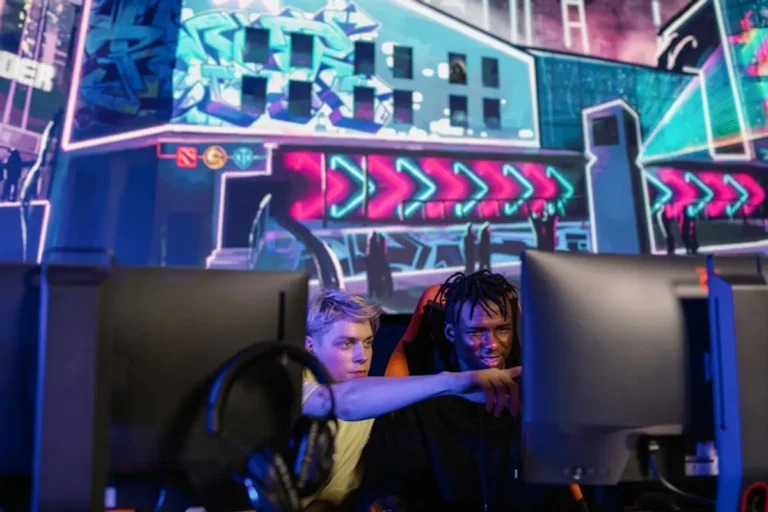
The esports scene, particularly around popular Japanese titles, will mature further, attracting larger audiences and significant investment. Simultaneously, the creator economy surrounding gaming—streamers, fan artists, modders—will become more formalized and monetized. Publishers should identify key influencers within these ecosystems and explore partnerships that extend beyond traditional advertising, such as collaborative content series, exclusive merchandise lines, or co-developed digital assets.
Reimagined Tradition and Niche Aesthetics
Japanese pop culture consistently reinterprets its rich cultural heritage, blending traditional aesthetics with modern sensibilities. By 2026, this fusion will manifest in more sophisticated and commercially viable ways, moving beyond superficial appropriation to deeper, more authentic integration.
Neo-Traditional Craft and Design
Expect a resurgence and reinterpretation of traditional Japanese crafts (e.g., ceramics, textiles, woodworking) within contemporary design, fashion, and even digital art. This isn't just about mimicry; it's about applying ancient techniques or motifs to modern products, often with a focus on sustainability and artisanal quality.
Commercial Application:
- Limited-edition product collaborations featuring traditional artisans.
- Digital art collections (NFTs) inspired by ukiyo-e or sumi-e.
- Fashion lines incorporating traditional textile patterns or dyeing methods.
- Experience-based tourism centered on craft workshops or heritage sites.
Specific Aesthetic Movements and Subcultures
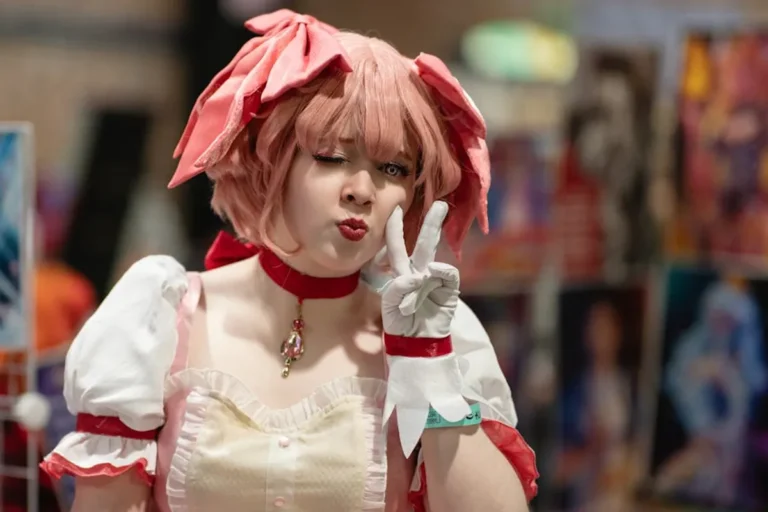
Niche aesthetics, often born from online communities, will gain broader traction. Examples include "Dark Academia" with a Japanese twist, "Cottagecore" adapted to rural Japanese settings, or new iterations of "Kawaii" that blend cuteness with edgier, more complex themes. These movements offer distinct visual languages and lifestyle aspirations that can be targeted by specific product lines or content series.
Pro Tip: When engaging with Japanese pop culture trends, authenticity is paramount. Superficial adoption or inaccurate representation can lead to backlash. Partner with local experts, creators, or agencies who possess deep cultural understanding to ensure your content and campaigns resonate genuinely with the target audience and respect cultural nuances.
Actionable Insights for 2026
To capitalize on these evolving trends, consider a multi-pronged approach that integrates cultural intelligence with commercial strategy:
- **Audience Segmentation:** Identify specific subcultures and demographics within the Japanese pop culture sphere that align with your brand's values and offerings. Not all trends appeal to everyone.
- **Content Localization and Adaptation:** Beyond language translation, adapt narratives, visuals, and interactive elements to resonate with local sensibilities and emerging aesthetic preferences.
- **Strategic Partnerships:** Collaborate with Japanese creators, influencers, and established media entities to gain authentic access and credibility within these communities.
- **Early Trend Identification:** Implement robust social listening and cultural intelligence tools to detect nascent trends before they reach saturation, allowing for first-mover advantage.
- **Technology Integration:** Explore how AI, XR, and other emerging technologies can enhance your content delivery, product offerings, or audience engagement strategies within these cultural contexts.
Frequently Asked Questions
How can businesses track emerging Japanese pop culture trends effectively?
Businesses should implement a combination of social listening tools focused on Japanese platforms (e.g., X/Twitter Japan, Pixiv, Niconico), engage with cultural intelligence agencies, and monitor industry reports from media and entertainment sectors within Japan.
What are the risks of misinterpreting Japanese pop culture trends?
Misinterpretation can lead to inauthentic campaigns, cultural insensitivity, and ultimately, a negative brand perception. This can alienate target audiences and undermine commercial efforts, necessitating careful research and local consultation.
How long do these trends typically last, and how quickly should brands react?
The longevity of trends varies significantly; some niche aesthetics might be ephemeral, while broader shifts like AI integration are long-term developments. Brands should react swiftly to capitalize on short-term "hype" cycles but also build long-term strategies around enduring cultural shifts.
Is it necessary to have a physical presence in Japan to leverage these trends?
While a physical presence can offer deeper insights, it's not always essential. Strategic partnerships with local agencies, content creators, and cultural consultants can provide the necessary expertise and network to effectively engage with Japanese pop culture from abroad.