The intersection of gaming and anime fandoms represents a significant demographic and cultural phenomenon, moving beyond simple demographic correlation to reveal deep structural and thematic commonalities. For content creators, marketers, and developers, recognizing this overlap is not merely an observational exercise but a strategic imperative. Understanding how these two highly engaged communities converge provides precise pathways for content development, audience targeting, and community building, enabling more effective resource allocation and deeper market penetration. This analysis explores the specific points of synergy between gaming and anime, detailing why a unified approach often yields superior results compared to treating them as distinct, isolated segments.
Shared Foundations: Narrative and Aesthetic Convergence
The profound overlap between gaming and anime audiences stems from shared preferences in storytelling, character development, and visual aesthetics. Both mediums excel at constructing intricate worlds and serialized narratives that foster deep audience investment. This overlap is particularly evident in games with deep character development that resonate with anime fans.
Deep Narrative Structures
Anime and video games frequently employ complex narrative arcs, often involving extensive world-building, character-driven plots, and thematic explorations that resonate with a dedicated audience. This includes:
- Epic Quests and Hero Journeys: Many JRPGs (Japanese Role-Playing Games) share structural similarities with popular shonen and seinen anime, focusing on protagonists overcoming challenges, often alongside a diverse cast of allies. The emphasis on growth, sacrifice, and destiny is a common thread.
- Character Archetypes: Both mediums frequently utilize archetypal characters—the stoic hero, the energetic sidekick, the enigmatic mentor, the powerful antagonist—that audiences recognize and connect with across different series and titles.
- Emotional Depth and Thematic Exploration: From exploring existential questions in titles like Neon Genesis Evangelion and Nier: Automata to tackling social issues, both anime and games are capable of profound emotional and intellectual engagement, appealing to audiences who seek more than superficial entertainment.
Distinct Visual Language and Art Direction
A key visual commonality is the prevalence of Japanese animation styles and character designs. This aesthetic influence is not limited to games developed in Japan but extends globally, shaping expectations and preferences within the overlapping fanbases.
Common Visual Elements:
- Exaggerated expressions and dynamic action sequences.
- Stylized character designs, often featuring large eyes, distinct hair colors, and intricate costuming.
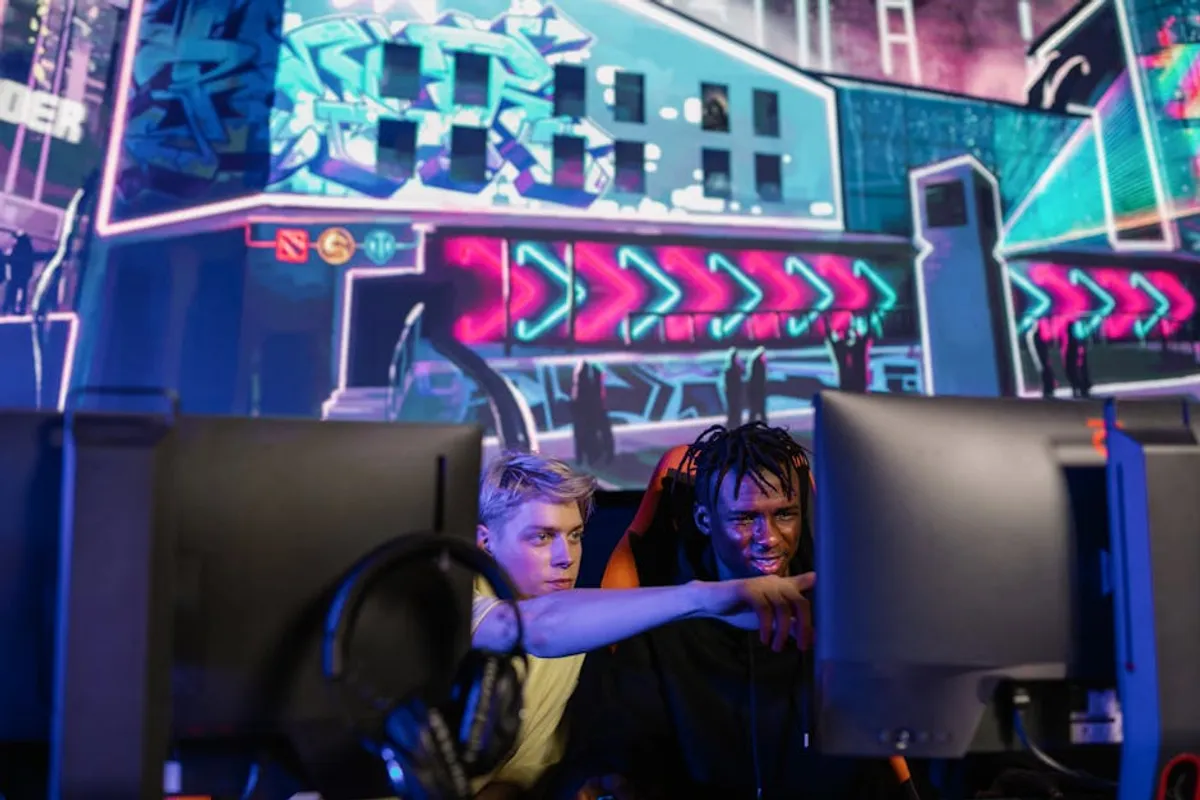
- Detailed environmental art, from fantastical landscapes to cyberpunk cityscapes.
This shared visual vocabulary means that an aesthetic favored in one medium is often directly transferable and appreciated in the other, reducing the barrier to entry for fans crossing over.
Community Dynamics and Transmedia Engagement
Beyond content preferences, the social and commercial behaviors of gaming and anime fandoms exhibit significant parallels, particularly in community engagement and the consumption of transmedia content.
Active and Engaged Communities
Both fandoms are characterized by highly active, passionate communities that engage in extensive fan-generated content and social interaction. This includes:
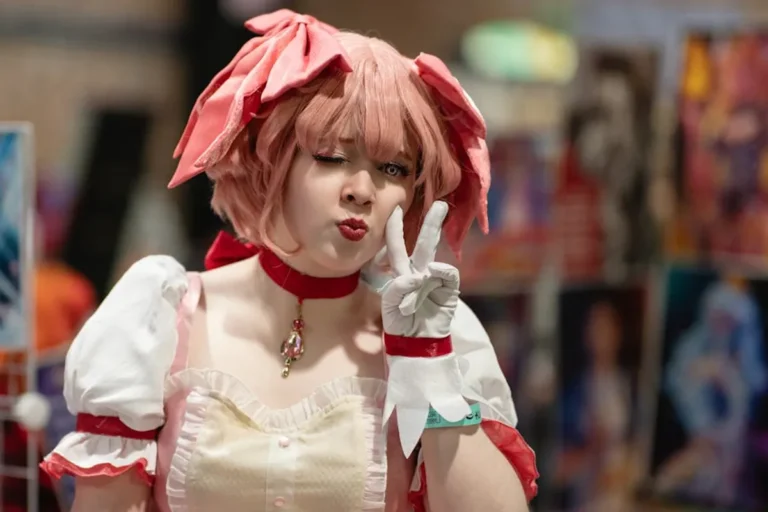
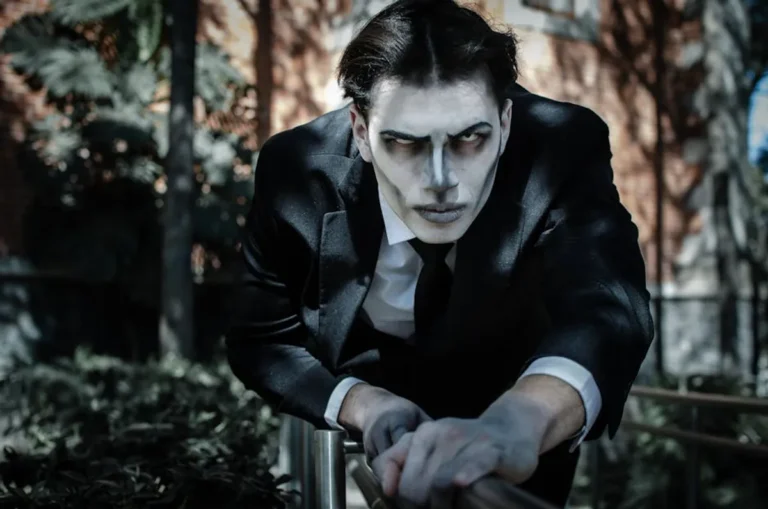
- Fan Art and Cosplay: Artists and cosplayers frequently draw inspiration from both games and anime, showcasing their creations at conventions and online platforms.
- Forums and Discussion Boards: Dedicated online spaces thrive on discussions, theories, and shared experiences related to specific series or broader genre trends.
- Conventions and Events: Major events like Anime Expo, PAX, and Gamescom often feature significant crossover attendance and programming, reflecting the dual interests of attendees.
These communities are not passive consumers; they are active participants, creators, and advocates, making them powerful vectors for organic growth and advocacy.
Pro Tip: Generic appeals rarely resonate. Deeply understanding the specific sub-genres and tropes that bridge particular games and anime series is crucial for authentic engagement. Superficial crossover attempts can alienate both fanbases, leading to disengagement rather than synergy.
The Transmedia Ecosystem
The direct adaptation of content between games and anime is a strong indicator of their inherent overlap. Successful titles frequently jump mediums, leveraging existing fan bases and expanding their narrative universes.
Examples of Successful Adaptations:
- Anime based on Games: Series like Castlevania, Cyberpunk: Edgerunners, and Arcane (based on League of Legends) demonstrate how game narratives can be successfully translated into animated formats, often attracting new audiences to the original game.
- Games based on Anime/Manga: Numerous fighting games, RPGs, and adventure titles are derived from popular anime franchises such as Dragon Ball, Naruto, and Attack on Titan. These adaptations allow fans to interact with beloved characters and worlds in a new, interactive way.
- Original IP with Dual Medium Strategy: Some creators design properties from the outset with both gaming and anime adaptations in mind, ensuring a cohesive universe across mediums.
This transmedia strategy capitalizes on the existing loyalty and interest, expanding the IP's reach and deepening fan investment.
Leveraging Fandom Synergy for Strategic Growth
For businesses and content creators, understanding the gaming and anime overlap translates into actionable strategies for market growth and audience engagement.
Targeted Content Development
Identifying popular themes, art styles, and narrative structures that resonate across both fandoms allows for the creation of content that appeals to a broader, pre-qualified audience. This includes developing games with anime-inspired aesthetics or anime series that integrate interactive elements or gaming tropes.
Integrated Marketing Campaigns
Marketing efforts can be streamlined by targeting shared platforms and communities. Collaborating with influencers who bridge both worlds, running ad campaigns on platforms frequented by both groups, and cross-promoting content across gaming and anime channels can significantly increase reach and engagement efficiency. Tailoring messaging to highlight shared values—such as character depth, intricate lore, or competitive play—will resonate more effectively.
Product and Merchandise Opportunities
The overlap creates fertile ground for merchandise development. Products featuring characters or themes popular in both games and anime, such as figures, apparel, and collectibles, can tap into a dual market. Limited edition crossovers or collaborative designs between game studios and anime producers often generate substantial excitement and sales.
Frequently Asked Questions
What defines the overlap between gaming and anime fandoms?
The overlap is defined by shared interests in complex storytelling, distinct visual aesthetics, deep character development, and a strong propensity for community engagement through fan art, cosplay, and online discussions. Both audiences appreciate serialized content and rich world-building.
How can businesses leverage this overlap?
Businesses can leverage this overlap through targeted content development that incorporates shared aesthetic and narrative elements, integrated marketing campaigns across relevant platforms, and the creation of cross-fandom merchandise and collaborative products. Authenticity in engagement is key.
Are there specific genres where this overlap is stronger?
Yes, genres such as JRPGs, fighting games, visual novels, and certain action-adventure games often have a strong overlap with genres like shonen, fantasy, sci-fi, and mecha anime. These genres frequently share narrative structures, character archetypes, and visual styles.
What are the risks of misinterpreting this overlap?
Misinterpreting the overlap can lead to inauthentic content or marketing that alienates both fanbases. Superficial attempts at crossover without a deep understanding of the specific sub-genres and cultural nuances can be perceived as exploitative, damaging brand reputation and failing to achieve desired engagement.