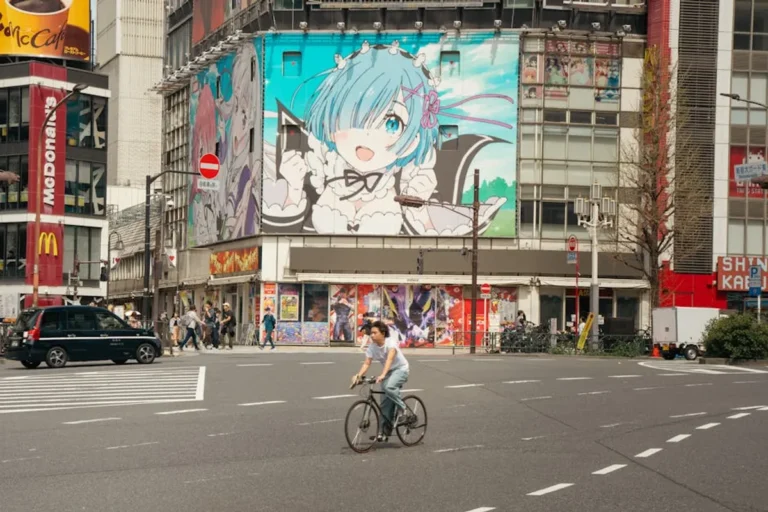

For new listeners encountering the vibrant worlds of J-Pop and K-Pop, the sheer volume of artists, styles, and content can feel overwhelming. While both genres originate from East Asia and share certain pop music conventions, their distinct cultural foundations, industry structures, and artistic expressions lead to fundamental differences. Understanding these distinctions moves beyond superficial comparisons, offering a clearer lens through which to appreciate each genre's unique appeal and market approach. For those interested in the origins of this music, a Japanese entertainment guide can offer further context on its cultural landscape.
Musical Identity and Production
The core sound profiles of J-Pop (Japanese Pop) and K-Pop (Korean Pop) often diverge in their compositional and production priorities, reflecting different artistic philosophies and target audience preferences.
Genre Blending and Sonic Landscape
J-Pop frequently embraces a broader spectrum of genres, integrating rock, anime soundtracks, traditional Japanese instrumentation, and even jazz influences more overtly into its pop framework. This often results in a more eclectic sound palette, where individual artists or groups might explore diverse styles across their discographies. Production often prioritizes melodic complexity and instrumental texture, sometimes featuring extended instrumental breaks or more pronounced harmonic shifts. The emphasis can lean towards creating a distinct 'artist sound' that evolves over time.
K-Pop, conversely, is recognized for its highly polished, globally-influenced sound. It often incorporates elements from Western hip-hop, R&B, EDM, and trap music, meticulously blended to create a high-energy, dance-oriented sound. The production is typically dense, characterized by layered vocals, intricate beat drops, and a focus on sonic impact designed for widespread appeal and synchronized choreography. The arrangement often serves the performance aspect directly, with distinct sections built for dance breaks or vocal showcases.
Vocal Approach and Delivery
In J-Pop, vocal delivery can vary widely, from powerful, emotive belting to softer, more nuanced tones, often reflecting the lyrical content or specific character an artist embodies. There's a strong tradition of solo artists and bands where individual vocalists develop unique styles. Group vocals, when present, might emphasize individual harmonization rather than a strictly unified sound.
K-Pop groups, particularly idol groups, typically feature highly trained vocalists who often specialize in specific roles (main vocalist, lead vocalist, sub-vocalist). The vocal arrangements are often complex, with precise harmonies, ad-libs, and rap sections seamlessly integrated. The emphasis is on vocal precision, power, and the ability to execute demanding choreography simultaneously. Autotune and vocal processing are frequently used as production tools to achieve a consistent, polished sound across multiple members.
Visual Presentation and Performance
Visuals are integral to both J-Pop and K-Pop, but their execution and underlying philosophies differ significantly, impacting everything from music video aesthetics to stage presence.
Music Video Aesthetics and Narrative
J-Pop music videos often lean into diverse artistic directions, ranging from narrative-driven short films to abstract, visually experimental pieces. There's a tendency to prioritize artistic expression and concept over strict adherence to a globalized aesthetic. Styling can be highly varied, reflecting current Japanese fashion trends or specific subcultures. The storytelling might be more subtle or metaphorical, requiring multiple viewings to fully grasp.
K-Pop music videos are renowned for their high production value, striking cinematography, elaborate sets, and intricate choreography. They frequently feature rapid scene changes, bold color palettes, and visually impactful graphics. The aesthetic is often designed for immediate global appeal, incorporating elements that translate across cultures. Choreography is central, often serving as a key visual component and a primary marketing tool. Concepts are often grand and thematic, designed to create a strong visual identity for the group or comeback.
Fashion Trends and Stage Presence
J-Pop artists exhibit a wide range of fashion choices, from avant-garde and streetwear to more understated or traditional styles. Fashion often reflects the artist's persona or the specific musical concept of an album. Stage performances can be highly energetic and interactive, but also feature more intimate, stripped-down presentations depending on the artist and venue. The focus might be on the emotional connection with the audience or the raw energy of a live band.
K-Pop idol fashion is highly curated and often trend-setting, with outfits meticulously styled to complement the music video concept and choreography. There's a strong emphasis on coordinated group styling, even if individual members have distinct looks. Stage presence is characterized by synchronized, powerful choreography, charismatic facial expressions, and high-energy delivery designed to captivate a large audience. Performances are often tightly rehearsed and executed with precision, emphasizing the collective strength of the group.
Industry Structure and Talent Development
The pathways to becoming a pop star in Japan and South Korea are shaped by fundamentally different industry models and talent development philosophies.
Training Systems and Debut Process
The Japanese music industry, while having talent agencies, often allows for a more varied path to debut. Artists might gain recognition through independent music scenes, live house performances, anime tie-ins, or traditional talent scouting. While training exists, it might be less centralized or intense compared to the K-Pop system. The emphasis can be on developing individual artistry and songwriting skills over a longer period. Debuts can be more gradual, with artists building a following through consistent releases and live performances.
The K-Pop industry is dominated by a few major entertainment companies that operate highly structured and competitive "idol training systems." Aspiring idols, often scouted at a young age, undergo years of rigorous training in singing, dancing, rapping, acting, and foreign languages. This intense period hones their skills to a professional standard before debut. The debut itself is a highly anticipated and strategically planned event, often following extensive pre-debut promotions and a carefully cultivated group concept. The system prioritizes creating versatile, polished performers ready for global markets.
Pro Tip: When analyzing market trends or audience engagement for either J-Pop or K-Pop, consider the underlying industry structure. K-Pop's centralized, trainee-based system often results in highly uniform, market-driven output, while J-Pop's more diverse entry points can lead to a wider range of experimental or niche acts. This impacts content strategy and audience segmentation.
Global Strategy and Fan Engagement
Both genres have achieved international recognition, but their approaches to global expansion and fan interaction differ.
Language Focus and Market Penetration
J-Pop's global strategy historically focused more on organic growth, often through anime, video games, and Japanese cultural exports. While some artists release English versions or tour internationally, the primary market remains Japan, and Japanese lyrics are the norm. International expansion often happens via licensing agreements or niche cultural interest rather than a direct, aggressive push.
K-Pop has a highly intentional and aggressive global strategy. Many groups release songs in multiple languages (Korean, English, Japanese, Chinese) and actively target international markets from their debut. Social media engagement, global tours, and collaborations with Western artists are central to this strategy. The industry invests heavily in translating content and creating accessible entry points for non-Korean-speaking fans, making global fandom a core component of their business model.
Fandom Dynamics and Merchandise
J-Pop fan culture is often characterized by strong loyalty to individual artists or groups, with a focus on live concert experiences, physical merchandise (CDs, fan club exclusives), and participation in events like handshake meetings. Fan clubs are prominent, offering exclusive content and early access. The interaction can feel more localized and direct within Japan.
- Emphasis on physical media sales and fan club memberships.
- Strong connection through live performances and regional tours.
- Merchandise often includes limited edition items and artist-specific goods.
- Fan engagement can be deeply rooted in specific artist narratives and longevity.
K-Pop fandoms (often called 'stans') are highly organized, globally connected, and digitally savvy. They actively engage in streaming campaigns, social media trending, and collective purchasing to support their idols. Merchandise ranges from albums and lightsticks to extensive photo cards and fashion items. The interaction is often highly interactive and real-time through platforms like Weverse, Twitter, and YouTube, fostering a strong sense of community and collective action among fans worldwide.
Navigating the Soundscapes
Distinguishing between J-Pop and K-Pop is not about identifying a "superior" genre, but recognizing two distinct cultural and commercial products. J-Pop often appeals to those who appreciate diverse musical experimentation, a strong sense of individual artistry, and a more organic connection to Japanese cultural narratives. K-Pop, with its highly polished production, synchronized performances, and aggressive global marketing, caters to a broader international audience seeking high-energy, visually stunning pop entertainment. For new fans, exploring both offers a richer understanding of East Asian pop music's breadth and commercial sophistication. Fans following K-Pop news today often seek daily updates to keep up with the fast-paced idol industry.
Frequently Asked Questions
What is the main difference in musical style?
J-Pop often features more diverse genre blending, emphasizing melodic complexity and individual artist expression. K-Pop typically prioritizes a high-energy, dance-oriented sound with intricate production, incorporating global hip-hop, R&B, and EDM influences.
Which genre is more globally popular?
K-Pop currently holds a more dominant global presence, largely due to its intentional global marketing strategies, multilingual releases, and highly organized international fandoms. J-Pop's global reach is often more niche, driven by anime or specific cultural interests.
Do J-Pop and K-Pop artists ever collaborate?
Yes, collaborations between Japanese and Korean artists do occur, though perhaps less frequently than within each industry. These collaborations often bridge cultural gaps and can introduce artists to new fan bases in both regions.
Can I enjoy both J-Pop and K-Pop?
Absolutely. Many fans appreciate both genres for their unique qualities. Understanding the differences can enhance your appreciation for the distinct artistic and commercial approaches each industry employs.