Understanding Japan's festival calendar and seasonal events offers more than just cultural insight; it provides strategic opportunities for content creation, travel planning, and market engagement. These events are deeply embedded in the nation's cultural fabric, reflecting centuries of tradition, religious observance, and seasonal appreciation. For marketers, publishers, and travel professionals, identifying the key festivals allows for precise targeting of audiences interested in cultural immersion, unique travel experiences, or specific seasonal content. Each event presents distinct narratives, visual assets, and engagement points, from the fleeting beauty of cherry blossoms to the energetic chaos of summer parades. The commercial value lies in recognizing these moments as peak interest periods, driving traffic, and fostering deeper audience connections through authentic, timely content.
Strategic Considerations for Engaging with Japanese Festivals
Before diving into specific events, consider several factors that influence their impact and your engagement strategy. Firstly, seasonality dictates not only the timing but also the mood and associated activities; spring festivals often celebrate renewal, while summer events are typically boisterous and communal. Secondly, regionality matters significantly; a major festival in Kyoto will have a different scale and audience demographic than a local event in a smaller town. Thirdly, accessibility and infrastructure are critical for planning. Popular festivals in major cities are well-served by public transport and accommodation, but remote events might require more intricate logistics. Finally, cultural sensitivity is paramount. Understanding the historical or religious significance of an event ensures respectful and accurate representation, which resonates better with informed audiences. Aligning your content or offerings with the authentic spirit of these celebrations enhances credibility and engagement.
1. Cherry Blossom Season (Hanami)
The annual cherry blossom season, known as sakura, transforms Japan into a spectacle of delicate pink and white blooms, typically from late March through early May, sweeping northwards across the archipelago. This period is less a single festival and more a nationwide cultural phenomenon centered on hanami, or flower viewing parties. People gather in parks, along riversides, and near temples to picnic, socialize, and appreciate the fleeting beauty of the blossoms, a powerful metaphor for life's transience in Japanese culture. The timing varies significantly by region and even year-to-year based on weather, making precise planning challenging but adding to its unique allure.
Best for: Cultural immersion, aesthetic content creation, seasonal travel packages, and businesses targeting leisure travelers or those interested in Japanese aesthetics and philosophy. Ideal for capturing widespread public engagement and generating visually rich media.
Pros:
- Nationwide appeal ensures broad audience reach and diverse regional experiences.
- High visual impact provides abundant opportunities for photography, video, and social media content.
- Strong cultural resonance makes it easily understandable and relatable to a global audience.
- Drives significant tourism and local economic activity across multiple sectors.
Cons:
- Unpredictable exact timing due to weather can complicate travel and event planning.
- Peak periods in popular locations experience extreme crowds, impacting visitor experience and logistics.
- Accommodation and transportation costs can surge significantly during the season.
- Requires extensive advance booking and flexible itineraries for optimal enjoyment.
Verdict: Hanami offers unparalleled cultural depth and visual appeal, positioning it as a cornerstone for any Japan-focused content or travel strategy. Its broad appeal guarantees engagement, but successful execution demands meticulous planning and an understanding of regional variations and crowd management.
2. Gion Matsuri
Held annually in Kyoto throughout July, Gion Matsuri is one of Japan's most famous and elaborate festivals, boasting over a millennium of history. Its origins trace back to a purification ritual in 869 AD to appease deities during an epidemic. The festival's highlight is the grand parade of yamaboko floats on July 17th and 24th. These immense, exquisitely decorated wooden structures, some reaching 25 meters in height and weighing up to 12 tons, are pulled through the city streets by teams of men. The intricate tapestries, carvings, and musical performances on the floats reflect Kyoto's artistic heritage and the wealth of its merchant class.
Best for: High-end cultural tourism, historical content, luxury travel marketing, and showcasing traditional Japanese craftsmanship. Appeals to audiences seeking deep cultural experiences and grand spectacles.
Pros:
- Exceptional visual spectacle and historical significance attract global attention.
- Long duration (entire month of July) offers multiple opportunities for engagement.
- Provides rich historical narratives and detailed artistic elements for in-depth content.
- Boosts Kyoto's status as a premier cultural destination, benefiting related businesses.
Cons:
- Extreme crowds, especially during the main parades, necessitate careful planning for viewing.
- Accommodation in Kyoto becomes scarce and expensive well in advance.
- The scale can be overwhelming for first-time visitors, requiring prior research.
- Focus on traditional elements may require contextual explanation for broader audiences.
Verdict: Gion Matsuri is a definitive cultural event, providing a powerful draw for those seeking Japan's historical grandeur. Its complexity and scale demand strategic content and logistical planning to effectively capture and convey its unique impact.
3. Nebuta Matsuri
Aomori's Nebuta Matsuri, held from August 2nd to 7th, is a vibrant summer festival renowned for its colossal, illuminated paper floats (nebuta) depicting brave warriors, mythical figures, and historical scenes. These floats, some up to 9 meters wide and 5 meters tall, are painstakingly constructed over a year. Accompanied by dancers (haneto) in unique costumes, flutists, and drummers, the floats are paraded through the city streets each night. The energy is infectious, with spectators encouraged to join the haneto dance, fostering a sense of communal celebration unique to Tohoku region festivals.
Best for: Energetic travel content, regional tourism promotion, event marketing focused on participation, and showcasing regional Japanese culture beyond major cities. Attracts adventure seekers and those interested in dynamic visual spectacles.
Pros:
- Highly visual and dynamic, offering excellent photo and video opportunities.
- Interactive nature encourages audience participation, enhancing engagement.
- Showcases unique regional artistry and a distinct cultural identity.
- Generates significant local economic activity and draws domestic and international visitors to Aomori.
Cons:
- Geographical location in northern Japan may be less accessible for some international travelers.
- Accommodation in Aomori books up rapidly and can be costly during the festival.
- The intense crowds and noise might not appeal to all visitors.
- Requires understanding of local customs for respectful participation.
Verdict: Nebuta Matsuri provides a high-energy, visually stunning experience that can differentiate content strategies focusing on regional Japan. Its participatory element makes it particularly engaging, but logistics require early planning due to its popularity in the Tohoku region.
4. Tanabata (Star Festival)
Tanabata, the Star Festival, is celebrated on July 7th (or August 7th in some regions) and is based on a romantic legend about two celestial lovers, Orihime (the Weaver Star, Vega) and Hikoboshi (the Cowherd Star, Altair), who are separated by the Milky Way and allowed to meet only once a year. People celebrate by writing wishes on small strips of paper (tanzaku) and hanging them on bamboo branches, hoping their wishes will come true. While celebrated nationwide, the Sendai Tanabata Festival (August 6-8) is particularly famous for its elaborate, colorful streamers (fukinagashi) decorating the city streets.
Best for: Family-focused content, romantic travel narratives, cultural education, and promoting seasonal crafts or traditions. Appeals to audiences interested in folklore, wishes, and community celebrations.
Pros:
- Appeals to a wide demographic due to its romantic folklore and wish-making tradition.
- Offers visually appealing decorations, especially in places like Sendai.
- Relatively easy to participate in, even for non-Japanese speakers.
- Provides opportunities for lighthearted, engaging content around wishes and legends.
Cons:
- Outside of major events like Sendai's, celebrations can be more subdued and localized.
- Weather in July/August can be hot and humid, impacting outdoor enjoyment.
- The general nature of the festival might lack the grand spectacle of other events.
- Requires specific regional focus to highlight its more impressive manifestations.
Verdict: Tanabata offers a charming, accessible entry point into Japanese culture, particularly for content focusing on folklore, wishes, and family-friendly activities. While less grand than some festivals, its widespread observance and poetic narrative hold significant appeal.
5. Obon
Obon is a Buddhist custom to honor the spirits of one's ancestors, typically observed for three days around August 15th (though dates vary by region, with some celebrating in mid-July). During Obon, it's believed that ancestors' spirits return to visit their living relatives. Families clean graves, prepare special offerings, and light lanterns to guide spirits home. The festival culminates in bon-odori dances, communal folk dances performed in parks and public squares, often accompanied by traditional music. Kyoto's Daimonji Gozan Okuribi, where giant bonfires are lit on mountainsides, is a particularly famous Obon-related event.
Best for: Cultural and spiritual tourism, genealogical content, family-oriented travel, and exploring Japanese religious traditions. Targets audiences interested in heritage, remembrance, and community rituals.
Pros:
- Deep cultural and spiritual significance provides rich narrative potential.
- Widespread observance across Japan means many local experiences are available.
- Bon-odori dances offer a participatory element and vibrant visual content.
- Reinforces themes of family, remembrance, and community, resonating with diverse audiences.
Cons:
- Many businesses and public services may close during Obon, impacting travel logistics.
- Transportation can be heavily congested as people return to their hometowns.
- Some aspects are private family rituals, limiting direct visitor participation.
- The solemn nature of ancestor worship requires respectful portrayal.
Verdict: Obon is a profoundly important cultural period, offering a glimpse into Japanese spiritual life and family values. While travel logistics can be challenging, its widespread observance and unique rituals provide substantial opportunities for meaningful cultural engagement and content creation.
6. Sapporo Snow Festival
Held annually in early February in Sapporo, Hokkaido, the Sapporo Snow Festival transforms the city into a winter wonderland of intricate snow and ice sculptures. Dating back to 1950, when local high school students built six snow statues, it now features hundreds of sculptures, some reaching monumental sizes, crafted by teams from around the world. Odori Park becomes the main exhibition site, showcasing massive snow sculptures, while Susukino hosts elaborate ice sculptures, and the Tsudome site offers family-friendly snow activities. Nighttime illumination enhances the sculptures' dramatic effect.
Best for: Winter tourism, family travel, art and design content, and promoting regional Japanese destinations during the off-peak season. Appeals to audiences seeking unique visual spectacles and cold-weather activities.
Pros:
- Globally recognized event with high international appeal and media coverage.
- Spectacular visual displays create unique and shareable content.
- Offers a distinct winter travel experience, diversifying Japan's tourism offerings.
- Attracts a broad audience, from art enthusiasts to families.
Cons:
- Cold weather conditions require specific preparation and attire for visitors.
- Accommodation and flights to Sapporo book quickly and become expensive.
- Crowds can be significant, especially on weekends and during peak viewing times.
- Relatively short duration (about a week) limits visitor flexibility.
Verdict: The Sapporo Snow Festival is a premier winter event, offering unparalleled visual impact and a strong draw for international visitors. Its unique artistic focus makes it an excellent subject for content showcasing creativity and winter travel experiences, despite the logistical challenges of peak season in Hokkaido.
7. Kanda Matsuri
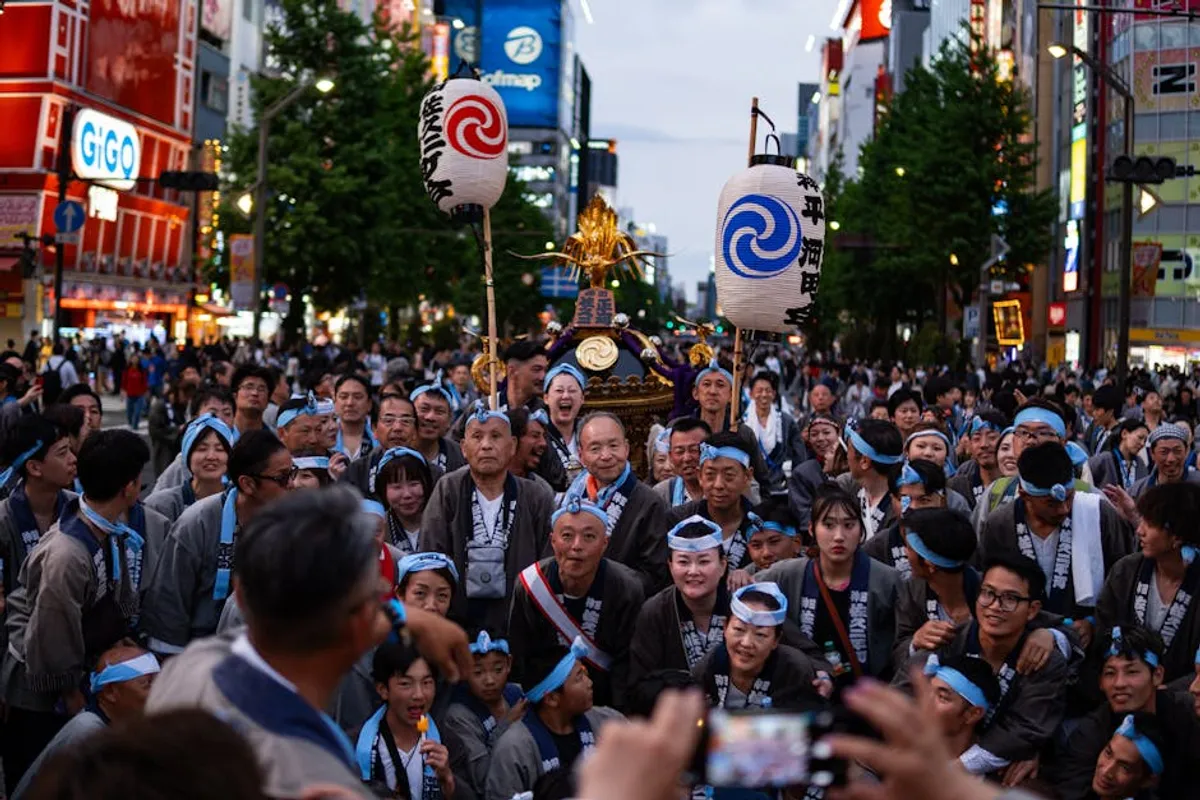
Kanda Matsuri is one of Tokyo's three great Shinto festivals, held in mid-May in odd-numbered years (alternating with Sanno Matsuri). Centered around Kanda Myojin Shrine, it is a boisterous and energetic celebration featuring a procession of hundreds of elaborately decorated portable shrines (mikoshi) and floats through the heart of Tokyo, including areas like Akihabara and Marunouchi. The festival dates back to the Edo period, commemorating Tokugawa Ieyasu's victory at the Battle of Sekigahara, and embodies a blend of historical reverence and contemporary urban spectacle.
Best for: Urban cultural exploration, historical content focused on Tokyo, event marketing for city tourism, and showcasing traditional events within a modern metropolis. Appeals to those seeking dynamic street festivals and historical connections.
Pros:
- Provides a vibrant cultural experience directly within central Tokyo, highly accessible.
- Infrequent occurrence (biennial) adds to its exclusivity and allure.
- Rich historical background offers deep narrative potential for content.
- Engaging and energetic atmosphere with active community participation.
Cons:
- Only occurs every two years, limiting opportunities for engagement.
- Can be extremely crowded, particularly along the main parade routes.
- Requires navigating Tokyo's dense urban environment during peak activity.
- Understanding the Shinto rituals might require prior explanation for international audiences.
Verdict: Kanda Matsuri is a significant event for those interested in Tokyo's historical and cultural depth, offering a powerful contrast between ancient traditions and modern cityscapes. Its biennial nature makes it a prime target for specific, well-timed content and travel promotion.
8. Takayama Matsuri
The Takayama Matsuri, celebrated twice a year (spring's Sanno Matsuri on April 14-15 and autumn's Hachiman Matsuri on October 9-10), is considered one of Japan's most beautiful festivals. Held in the picturesque town of Takayama in Gifu Prefecture, it features exquisitely crafted festival floats (yatai), some of which are centuries old and adorned with intricate carvings, lacquerware, and mechanical puppets (karakuri ningyo). The highlight includes the evening festival, where the floats are illuminated by traditional lanterns, creating a magical atmosphere as they are pulled through the historic streets.
Best for: Niche cultural tourism, artisanal craft content, historical town exploration, and promoting regional charm. Appeals to audiences seeking refined aesthetic experiences and traditional Japanese craftsmanship.
Pros:
- Showcases exceptional traditional craftsmanship and artistic detail on the floats.
- Held in a historically preserved town, enhancing the overall cultural experience.
- Offers both daytime processions and a uniquely atmospheric evening parade.
- Provides a more intimate festival experience compared to larger city events.
Cons:
- Takayama's smaller size means accommodation is limited and books out very early.
- Crowds, while manageable compared to Tokyo or Kyoto, can still be dense in narrow streets.
- Access to Takayama requires travel into the mountainous Gifu Prefecture.
- Weather can be unpredictable in both April and October, potentially impacting outdoor events.
Verdict: Takayama Matsuri is a jewel among Japanese festivals, offering a blend of historical beauty and artisanal excellence. It's ideal for content focusing on detailed craftsmanship and the charm of traditional Japan, but requires diligent planning due to limited local infrastructure.
9. Awa Odori
Awa Odori, held in Tokushima Prefecture from August 12th to 15th, is Japan's largest traditional dance festival, attracting over a million visitors annually. Originating over 400 years ago, the festival involves groups of dancers called "ren" performing a distinct, improvisational folk dance to the rhythm of shamisen, flutes, and drums. The city streets are transformed into stages, with both amateur and professional groups dancing through the night. The festival's motto, "Fools dance and fools watch; if both are fools, why not dance?", encapsulates its joyful and inclusive spirit.
Best for: Dynamic event coverage, participatory travel experiences, regional cultural promotion, and content focused on music and dance. Appeals to audiences seeking high-energy, communal celebrations.
Pros:
- High-energy, visually captivating dance performances create compelling content.
- Participatory nature allows visitors to join in, enhancing engagement.
- Showcases a unique regional tradition with a long history.
- Draws significant domestic and international attention to Tokushima.
Cons:
- Accommodation in Tokushima is extremely limited and books out months in advance.
- Intense crowds and noise levels may be overwhelming for some.
- The festival's peak coincides with Obon, increasing travel congestion nationwide.
- Requires understanding of the dance style for optimal appreciation or participation.
Verdict: Awa Odori is an exhilarating festival that offers a unique, high-energy cultural experience. Its focus on dance and participation makes it highly engaging for content creators and travelers alike, but logistical planning for accommodation and transport is critical.
10. Shogatsu (New Year's)
Shogatsu, the Japanese New Year, is the most important holiday in Japan, observed from January 1st to 3rd, though preparations begin weeks in advance. It is a time for family gatherings, traditional foods (osechi ryori), and spiritual reflection. Key customs include hatsumode (the first shrine or temple visit of the year), watching the first sunrise (hatsuhinode), and sending New Year's cards (n