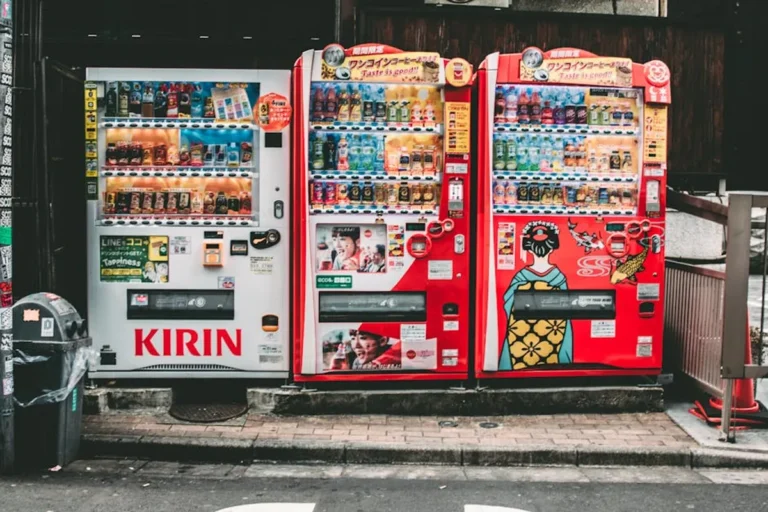

Japanese technology and gadget trends offer a unique lens into future consumer and industrial landscapes. For SEO professionals, marketers, and product developers, understanding these trajectories is not merely an academic exercise; it provides actionable intelligence for market positioning, content strategy, and competitive analysis. Japan’s innovation ecosystem, characterized by precision engineering, long-term R&D investment, and a distinct cultural approach to technology integration, frequently previews shifts that eventually resonate globally. Identifying these emerging patterns early allows businesses to anticipate demand, refine product roadmaps, and craft messaging that aligns with evolving technological paradigms.
Advanced Robotics and AI Integration
Japan remains a global leader in robotics, moving beyond industrial automation into service applications and human-robot interaction. The trend emphasizes collaborative robots (cobots) designed to work alongside humans in manufacturing, logistics, and healthcare, improving efficiency and safety. AI integration is crucial here, enabling robots to learn, adapt, and perform complex tasks with greater autonomy.
Service Robotics in Hospitality and Retail
Beyond manufacturing, service robots are becoming more sophisticated, handling tasks from customer reception and information dissemination to cleaning and delivery. These deployments are not about full human replacement but augmenting human capabilities, particularly in sectors facing labor shortages. Marketers should consider how AI-driven service robots impact customer experience and brand perception, and how to optimize digital touchpoints that interact with these automated systems.
AI for Predictive Maintenance and Quality Control
In industrial settings, AI-powered predictive maintenance systems analyze vast datasets from machinery sensors to anticipate failures before they occur, minimizing downtime. Similarly, AI-driven quality control systems use computer vision to detect defects with precision and speed unmatched by human inspection. This translates to reduced operational costs and improved product reliability, creating opportunities for businesses offering analytics, sensor technology, and AI development services.
Sustainable Technology and Green Innovation
With a strong focus on environmental responsibility, Japan is at the forefront of developing technologies that address climate change and resource scarcity. This trend encompasses renewable energy solutions, eco-friendly materials, and smart infrastructure for urban environments.
Energy Efficiency and Renewable Integration
Innovations in energy storage, such as advanced battery technologies and hydrogen fuel cells, are critical for stable renewable energy grids. Smart grid technologies, which use AI to optimize energy distribution and consumption, are also gaining traction. Businesses in the energy sector, as well as those developing smart home devices, must factor in these advancements to remain competitive and appeal to environmentally conscious consumers.
Eco-Materials and Circular Economy Practices
Japanese firms are investing heavily in biodegradable plastics, recycled composites, and novel materials derived from biomass. The emphasis is on circular economy principles, where products are designed for longevity, repairability, and eventual recycling. This impacts product design, supply chain management, and consumer messaging, requiring brands to demonstrate genuine commitment to sustainability.
Immersive Experiences and Haptic Feedback
The evolution of virtual reality (VR) and augmented reality (AR) in Japan is moving beyond gaming into practical applications, enhanced by sophisticated haptic feedback systems that add a sense of touch to digital interactions.
AR/VR in Training and Design
Enterprise applications for AR/VR are expanding rapidly, particularly in vocational training, remote assistance, and product design. Engineers can collaborate on 3D models in virtual spaces, and technicians can receive augmented instructions overlayed onto real-world equipment. This reduces travel costs, speeds up design cycles, and improves training effectiveness. Content creators and platform developers focusing on B2B solutions will find significant opportunities here.
Haptic Technologies for Enhanced Interaction
Haptic devices, ranging from gloves to full-body suits, are becoming more refined, providing realistic tactile sensations in virtual environments. This technology enhances immersion for entertainment but also offers practical benefits in medical simulations, remote surgery, and industrial control. As haptics become more accessible, they will redefine user interfaces and digital product experiences.
Pro Tip: When analyzing Japanese technology trends, recognize that innovation often prioritizes long-term societal benefit and meticulous execution over rapid market disruption. Businesses looking to integrate these technologies should focus on building robust, reliable solutions with clear, demonstrable value, rather than chasing short-lived hype cycles. Understanding the underlying cultural drivers for these innovations, such as respect for craftsmanship and efficiency, is key to successful market entry or collaboration.
Healthcare and Longevity Technologies
Given Japan's aging population, significant R&D is directed towards technologies that support elder care, extend healthy lifespans, and improve medical diagnostics.
Robotics for Elder Care and Assistance
Companion robots, mobility assistance devices, and automated monitoring systems are being developed to support independent living for seniors. These technologies aim to reduce the burden on caregivers while enhancing the quality of life for the elderly. This creates a market for specialized hardware, software, and integrated service platforms.
Personalized Medicine and Remote Monitoring
Advances in genomics, AI-driven diagnostics, and wearable health trackers are paving the way for highly personalized medical treatments and proactive health management. Remote patient monitoring systems allow healthcare providers to track vital signs and adherence to treatment plans from a distance, improving accessibility and efficiency of care. Marketers in the health tech space need to communicate the precision, privacy, and efficacy of these solutions.
Capitalizing on Japanese Innovation
For businesses and professionals operating in competitive global markets, monitoring Japanese technology trends offers strategic advantages. It provides early indicators of shifts in consumer expectations, identifies potential new product categories, and highlights areas for R&D investment. Focus on the underlying principles—precision, efficiency, sustainability, and human-centric design—that drive much of this innovation. By understanding these core values, you can better anticipate market demand and tailor your offerings to resonate with a global audience increasingly valuing similar attributes.
FAQ
What makes Japanese technology trends unique?
Japanese technology often stands out due to its emphasis on precision engineering, long-term research and development, integration of AI for practical applications, and a strong cultural drive towards sustainability and societal well-being, particularly in areas like elder care.
How can businesses leverage these trends?
Businesses can leverage these trends by investing in R&D aligned with emerging Japanese innovations, adapting product development to incorporate advanced materials or AI, refining marketing strategies to address sustainability or convenience, and exploring partnerships with Japanese tech firms.
Which sectors are most impacted by these trends?
Key sectors include manufacturing (robotics, AI), energy (renewable integration, smart grids), healthcare (elder care, personalized medicine, remote monitoring), retail and hospitality (service robots), and entertainment/education (AR/VR, haptics).
Are these trends only relevant to the Japanese market?
No, many Japanese technology trends, particularly in robotics, AI, sustainable solutions, and healthcare, often act as precursors to global shifts. Innovations developed in Japan frequently find broader international adoption due to their robust engineering and practical applications.