Understanding emerging cultural currents in Japan offers a crucial strategic advantage for marketers, content creators, and businesses targeting or influenced by the region. These trends are not mere curiosities; they represent shifts in consumer behavior, evolving aesthetic preferences, and new avenues for engagement. For 2026, several key cultural movements are solidifying, providing fertile ground for product development, content strategy, and brand positioning. Identifying these early allows for proactive adaptation, ensuring relevance and resonance in a dynamic market. This analysis focuses on actionable trends, detailing their commercial implications and strategic fit for various business models.
How to Identify and Prioritize Japanese Cultural Trends for Commercial Application
Translating cultural observations into commercial success requires a structured approach. When evaluating a trend, consider its potential longevity, scalability, and alignment with your brand's values and target audience. Prioritize trends that demonstrate sustained growth indicators—such as increasing media mentions, rising search interest, or adoption by early-majority consumers—rather than fleeting fads. Assess the trend's "stickiness": does it address a fundamental human need or desire, or is it purely superficial? Look for trends with clear integration pathways into your existing product lines or content frameworks, minimizing the need for complete overhauls. Finally, consider the competitive landscape; early adoption in a nascent trend can establish market leadership, but a crowded space might require a unique angle or superior execution.
1. Neo-Showa Nostalgia (Retro Futurism)
This trend centers on a romanticized reinterpretation of Japan's Showa era (1926-1989), particularly the post-war economic boom period of the 1960s-1980s. It manifests in aesthetics, music, fashion, and lifestyle, blending vintage charm with modern sensibilities and technology. It's not a mere replication but an imaginative fusion, where classic designs are updated with contemporary materials, smart features, or digital interfaces. This trend appeals to older generations through familiarity and younger demographics who perceive the era as stylishly unique and less complex than the present. Expect to see retro-inspired electronics with smart capabilities, fashion drawing on 80s silhouettes with sustainable fabrics, and entertainment (gaming, film) that evokes a "future as imagined in the past."
Best for: Consumer electronics, fashion and apparel, interior design, hospitality, entertainment (gaming, music, film), food and beverage (retro packaging, updated classic dishes).
Pros: Broad appeal across age groups; strong visual identity for branding; opportunities for product differentiation through unique aesthetic; taps into a sense of comfort and escapism.
Cons: Risk of appearing inauthentic or kitsch if not executed thoughtfully; requires deep understanding of Showa aesthetics to avoid misinterpretation; potential for market saturation if too many brands adopt similar approaches.
Verdict: A powerful trend for brands capable of sophisticated design and storytelling. Success hinges on nuanced integration of retro elements with genuine innovation, avoiding superficial imitation.
2. "Slow Life" Movement & Regional Revitalization (Chiiki Okoshi)
The "Slow Life" movement emphasizes mindful living, sustainability, and a return to simpler, more traditional values, often intertwined with the concept of "Chiiki Okoshi" (regional revitalization). This trend sees an increased interest in rural tourism, local craftsmanship, artisanal products, and sustainable practices. Consumers are seeking authenticity, connection to nature, and support for local economies. This translates into demand for ethically sourced goods, experiences that offer respite from urban intensity, and products that highlight regional specialties or traditional techniques. Digital platforms facilitate this by connecting urban consumers with rural producers and unique travel opportunities.
Best for: Tourism and hospitality (eco-lodges, cultural experiences), artisan goods, food and beverage (local produce, traditional recipes), sustainable fashion, wellness retreats, educational content on traditional crafts.
Pros: High consumer trust due to authenticity and ethical focus; strong narrative potential for brand storytelling; aligns with global sustainability concerns; supports local economies, enhancing brand reputation.
Cons: Niche market initially, requiring targeted marketing; scalability can be challenging for truly artisanal products; relies on strong local partnerships and supply chains; risk of greenwashing if claims are not verifiable.
Verdict: A growing trend with significant long-term potential, especially for brands that can genuinely integrate sustainability and local community support into their core offerings. Authenticity is paramount.
3. Digital "Metaverse" Idols & Virtual Influencers
Building on the success of VTubers, this trend signifies a deeper integration of virtual personalities into the metaverse and broader digital ecosystems. These aren't just animated characters; they are increasingly sophisticated AI-driven entities or highly-developed virtual avatars with distinct personalities, backstories, and interactive capabilities. They can host events, collaborate with brands, release music, and engage with audiences in real-time, often across multiple platforms. Their appeal lies in their ability to transcend physical limitations, offer consistent brand messaging, and provide a novel form of entertainment and engagement.
Best for: Entertainment, marketing and advertising, fashion (digital apparel), gaming, technology platforms, brand ambassadorship, educational content (as virtual teachers).
Pros: Global reach without physical travel limitations; consistent brand image and messaging; high novelty factor for engagement; ability to experiment with diverse personas; potential for rapid content creation.
Cons: High initial investment in development and maintenance; requires sophisticated technical expertise; potential for audience fatigue if not consistently innovative; ethical considerations around AI and authenticity.
Verdict: A high-growth area for brands willing to invest in cutting-edge technology and creative storytelling. Success depends on developing compelling, interactive personalities that resonate deeply with target audiences.
4. Hyper-Personalized Wellness & Biohacking
Japanese consumers are increasingly seeking highly individualized approaches to health and well-being, moving beyond generic solutions to data-driven, personalized interventions. This trend encompasses advanced dietary planning based on genetic profiles, bespoke fitness regimens informed by wearable tech, customized supplement stacks, and even "biohacking" techniques aimed at optimizing physical and cognitive performance. The focus is on measurable results and preventative health, driven by an aging population and a strong cultural emphasis on longevity and quality of life. Expect growth in smart health devices, AI-powered diagnostic tools, and specialized wellness services.
Best for: Health tech, nutraceuticals and supplements, fitness apps and wearables, personalized diet and meal services, preventative healthcare, anti-aging products, wellness tourism.
Pros: Addresses a deep-seated consumer need for efficacy and control over health; high willingness to pay for tailored solutions; strong potential for subscription models; data-driven insights offer continuous improvement.
Cons: Requires significant scientific backing and ethical oversight; high cost of entry for advanced technologies; privacy concerns regarding personal health data; risk of misinformation or unproven claims.
Verdict: A lucrative trend for businesses that can deliver scientifically validated, truly personalized wellness solutions. Trust, transparency, and data security are critical for consumer adoption.
5. "Gacha" Economy Expansion (Beyond Gaming)
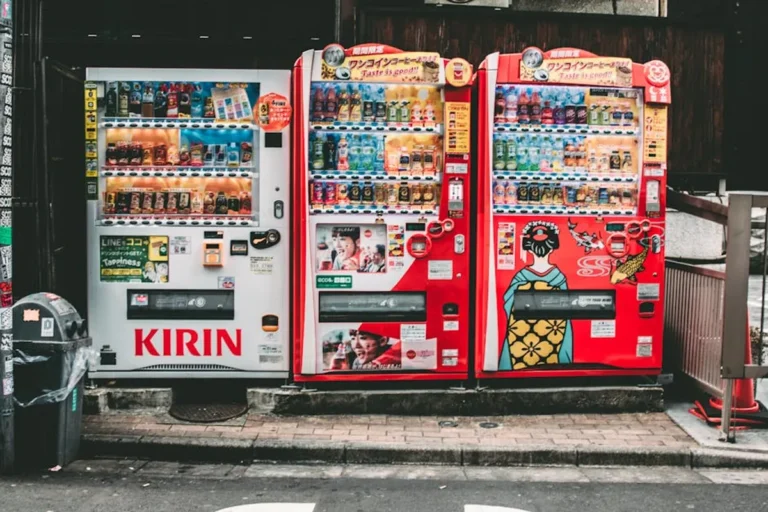
The "gacha" mechanic, originating from capsule toy vending machines, has permeated Japanese mobile gaming and is now expanding into broader consumer markets. This trend involves products or experiences where consumers pay for a chance to receive a random, often limited-edition, item or benefit. It taps into the thrill of surprise and collection, driving repeated engagement. Beyond games, this applies to fashion drops, subscription boxes with curated but randomized contents, experiential marketing where outcomes are uncertain, and even loyalty programs with variable rewards. The scarcity and unpredictability fuel desire and social media buzz.
Best for: Retail (limited editions, mystery boxes), subscription services, experiential marketing, loyalty programs, collectible goods, entertainment, food and beverage (limited-run flavors).
Pros: Drives repeat purchases and engagement; creates a sense of excitement and urgency; strong viral potential through social sharing of "wins"; effective for clearing inventory or introducing new products.
Cons: Potential for consumer backlash if perceived as exploitative or unfair; ethical considerations around gambling-like mechanics; requires careful balancing of rarity and desirability; regulatory scrutiny in some markets.
Verdict: A powerful engagement tool when implemented ethically and transparently. Brands must ensure the "gacha" experience feels rewarding and fun, not manipulative, to maintain long-term consumer trust.
6. "Kawaii" Evolution (Dark Kawaii, Kimo-Kawaii, Otona Kawaii)
The concept of "kawaii" (cuteness) in Japan is not static; it continually evolves and diversifies. For 2026, expect further fragmentation beyond traditional cute aesthetics into sub-genres like "Dark Kawaii" (cute with a gothic or melancholic edge), "Kimo-Kawaii" (creepy-cute, embracing the slightly unsettling), and "Otona Kawaii" (adult cute, sophisticated yet playful). This evolution allows "kawaii" to appeal to a much broader demographic, including adults who seek to express individuality through nuanced aesthetics. It reflects a desire for more complex emotional expression and a rejection of overly saccharine imagery.
Best for: Fashion and accessories, character goods, art and design, marketing campaigns targeting specific subcultures, entertainment, interior decor.
Pros: Expands market reach for "kawaii" aesthetics; allows for more sophisticated and nuanced brand expressions; strong visual identity for product differentiation; high engagement potential with niche communities.
Cons: Requires precise understanding of sub-genre nuances to avoid missteps; risk of alienating traditional "kawaii" consumers if not managed carefully; designs can be polarizing if not executed with cultural sensitivity.
Verdict: A dynamic trend offering significant opportunities for brands to innovate within the "kawaii" space. Success depends on accurately identifying and targeting specific sub-genres with authentic and well-designed products.
7. Micro-Community Platforms & Niche Fandoms
While large social media platforms remain prevalent, there's a growing gravitation towards smaller, more intimate, and highly specialized online communities. These "micro-communities" cater to niche fandoms, hyper-specific hobbies, or shared interests that might be overlooked on mainstream sites. Users seek deeper connections, more relevant content, and a sense of belonging among like-minded individuals. This trend drives demand for specialized forums, private messaging groups, and platforms designed for specific cultural or interest-based exchanges. Brands can engage by fostering these communities or by creating highly targeted content for them.
Best for: Niche product brands, content creators, specialized service providers, event organizers, community management tools, targeted advertising platforms.
Pros: High engagement rates within dedicated communities; direct access to highly motivated target audiences; opportunities for co-creation and user-generated content; builds strong brand loyalty.
Cons: Scalability can be limited due to niche focus; requires significant investment in community moderation and engagement; difficult to measure ROI for indirect community building; requires authentic participation, not just promotion.
Verdict: Essential for brands seeking deep connection and influence within specific segments. Success lies in genuine participation and value provision to these communities, rather than overt marketing.
8. "Hitori-Meshi" (Solo Dining) & Solo Experiences Redefined
The rise of single-person households and a cultural shift towards valuing personal time have propelled the "hitori-meshi" (solo dining) trend, which is now expanding into broader solo experiences. This isn't about loneliness, but about the enjoyment of personal space, freedom, and self-indulgence without social pressure. Businesses are responding with specialized seating in restaurants, single-serving premium products, solo travel packages, and entertainment options designed specifically for individuals (e.g., solo karaoke booths, individual glamping pods). The emphasis is on quality, convenience, and a personalized, comfortable experience.
Best for: Hospitality (restaurants, hotels), travel agencies, food and beverage (single-serving, premium options), entertainment venues, retail (compact, high-quality goods), service industries.
Pros: Taps into a growing demographic of single individuals and those valuing personal space; opportunities for premium product development; reduces dependency on group bookings; high potential for customer loyalty through tailored experiences.
Cons: Requires re-evaluation of traditional service models; potential for misinterpretation if not framed as empowering; may require significant investment in infrastructure (e.g., solo booths); marketing must avoid stigmatizing solo activities.
Verdict: A significant and expanding market segment. Brands that can authentically cater to the desire for quality solo experiences, emphasizing personal freedom and comfort, will find substantial success.
9. AI-Generated Content & Art Integration
The integration of AI into creative processes, from generating text and images to composing music and designing products, is becoming increasingly sophisticated in Japan. This trend sees AI not merely as a tool for automation but as a collaborative partner in artistic and content creation. Expect to see AI-assisted manga artists, AI-composed background music for digital media, AI-designed fashion patterns, and AI-generated marketing copy. The focus is on enhancing human creativity, accelerating production, and exploring novel aesthetic possibilities, while also grappling with ethical considerations around authorship and originality.
Best for: Creative agencies, digital publishing, gaming, fashion design, marketing and advertising, software development (AI tools), entertainment production.
Pros: Accelerates content production and ideation; enables exploration of new creative styles; reduces labor costs for repetitive tasks; offers personalization at scale; potential for highly innovative outputs.
Cons: Ethical concerns regarding intellectual property and originality; requires skilled human oversight to ensure quality and relevance; potential for job displacement in some creative sectors; risk of generic or uninspired output if not guided effectively.
Verdict: A transformative trend that will redefine creative industries. Businesses must strategically integrate AI as a co-creative force, focusing on unique human-AI collaboration rather than full automation, to stand out.
10. Sustainable Fashion & Upcycling (Mottainai Culture)
The traditional Japanese concept of "mottainai" (a sense of regret concerning waste) is fueling a significant movement towards sustainable fashion and upcycling. Consumers are increasingly aware of the environmental impact of fast fashion and are seeking durable, ethically produced garments, as well as opportunities to repair, repurpose, or resell existing items. This trend manifests in the growth of vintage clothing markets, demand for repair services, brands using recycled or organic materials, and design that emphasizes longevity and timelessness. Educational content around clothing care and DIY upcycling also gains traction.
Best for: Apparel brands (eco-friendly lines), retail (second-hand, vintage), textile manufacturers, repair services, educational content (sustainable living), fashion tech (material innovation).
Pros: Appeals to environmentally conscious consumers; enhances brand reputation through ethical practices; potential for circular economy models; reduces waste and resource consumption; strong narrative for marketing.
Cons: Higher production costs for sustainable materials; requires transparency in supply chains; educating consumers on the value proposition can be challenging; risk of greenwashing if claims are not verifiable.
Verdict: A crucial and growing trend driven by both cultural values and global environmental concerns. Brands that genuinely commit to sustainability and transparency will build strong trust and loyalty.
11. "Workation" & Hybrid Remote Work Lifestyle
The shift towards hybrid and remote work models has opened the door for the "workation" trend, where individuals combine work with leisure travel, often to scenic or culturally rich locations within Japan. This trend drives demand for accommodations equipped with reliable high-speed internet, comfortable workspaces, and proximity to recreational activities. It also fuels services that facilitate seamless remote work, such as co-working spaces in resort towns or curated travel packages designed for productivity and relaxation. The focus is on achieving a better work-life balance and leveraging flexibility for personal enrichment.
Best for: Travel and hospitality (hotels, ryokans, vacation rentals), real estate (co-living, co-working spaces), technology (connectivity solutions, productivity tools), local tourism boards, wellness services.
Pros: Expands market for tourism beyond traditional holidays; encourages longer stays and higher spending per trip; supports regional economies; promotes employee well-being and productivity; potential for B2B partnerships (corporate retreats).
Cons: Requires significant infrastructure investment (internet, workspace quality); seasonal fluctuations in demand; competition with traditional tourism; marketing needs to balance work and leisure aspects effectively.
Verdict: A strong growth area for the tourism and hospitality sectors, as well as tech and real estate. Success depends on providing integrated solutions that genuinely support both work requirements and leisure desires.
12. Interactive Storytelling & Gamified Education/Entertainment
Japanese consumers are increasingly drawn to immersive and participatory experiences, moving beyond passive consumption to active engagement. This trend encompasses interactive narratives in digital media, gamified learning platforms, augmented reality (AR) and virtual reality (VR) experiences for entertainment and education, and real-world escape rooms or interactive art installations. The appeal lies in the ability to influence outcomes, explore narratives from multiple perspectives, and learn through doing. This fosters deeper engagement and memorability compared to traditional linear content.
Best for: Education technology, entertainment (gaming, film, theme parks), marketing campaigns, cultural institutions (museums), AR/VR developers, event organizers.
Pros: High engagement and retention rates; creates memorable and shareable experiences; strong potential for personalization; adaptable across various platforms and content types; future-proof as technology advances.
Cons: High development costs for quality interactive content; requires sophisticated technical and creative expertise; accessibility issues for some AR/VR formats; risk of overwhelming users with too many choices.
Verdict: A powerful trend for capturing attention and fostering deep engagement. Businesses that can craft compelling, intuitive interactive experiences will differentiate themselves significantly in crowded markets.
Leveraging Trends for Commercial Success
Integrating these cultural trends into your commercial strategy requires a multi-faceted approach. First, conduct thorough audience research to understand which specific sub-segments of your target demographic resonate most with each trend. This informs product development and content creation. Second, prioritize authenticity; superficial adoption of a trend often backfires. Brands must demonstrate a genuine understanding and respect for the cultural nuances involved. Third, monitor trend evolution closely. Cultural trends are dynamic, and staying ahead means continuously tracking shifts in consumer sentiment, media coverage, and competitor activities. Use keyword research to identify rising search queries related to these trends, informing your SEO and content marketing strategies. Finally, consider partnerships with local experts, influencers, or businesses that are already embedded within these cultural movements to ensure relevance and credibility.
Frequently Asked Questions
How often do Japanese cultural trends emerge and change?
Japanese cultural trends are dynamic, with new movements emerging and evolving continuously. While some trends, like "kawaii," have long-standing roots but diversify, others, particularly those driven by technology or social shifts, can gain momentum rapidly. A typical cycle for a significant trend to emerge, peak, and integrate into mainstream culture can range from 2-5 years, though many have longer lifespans or become foundational elements.
Can businesses outside Japan effectively apply these trends?
Absolutely. Many Japanese cultural trends have global resonance, influencing design, entertainment, and consumer preferences worldwide. The key is adaptation and localization. Understand the core appeal of the trend and how it can be translated to your specific market without losing its essence or appearing inauthentic. For instance, the "Slow Life" movement's emphasis on sustainability and localism is universally applicable, while "Neo-Showa Nostalgia" might require more specific cultural context for non-Japanese audiences.
What are the risks of following cultural trends?
The primary risks include superficial adoption, which can lead to a lack of authenticity and consumer distrust. There's also the risk of investing in short-lived fads that quickly fade, resulting in wasted resources. Over-commercialization can dilute a trend's appeal. Additionally, misinterpreting cultural nuances can lead to gaffes or alienate the target audience. Careful research, genuine engagement, and strategic planning mitigate these risks.
How can I monitor emerging trends more effectively?
Effective trend monitoring involves a combination of quantitative and qualitative methods. Follow key Japanese media outlets, cultural commentators, and trend forecasters. Engage with social media platforms popular in Japan to observe organic conversations and emerging hashtags. Analyze search engine data for rising queries. Participate in relevant industry events or forums. Qualitative insights from local experts, focus groups, or on-the-ground observations are also invaluable for understanding nuanced shifts.