The intersection of anime and gaming represents a significant and expanding cultural phenomenon, moving beyond niche interests to establish itself as a primary driver of entertainment consumption. For marketers, content creators, and game developers, understanding these crossover trends is not merely about cultural literacy; it is a critical component of effective audience engagement and commercial strategy. The shared demographics between anime enthusiasts and gamers create fertile ground for new content, product collaborations, and community building. Identifying which specific trends resonate most deeply with fans allows businesses to allocate resources more efficiently, develop relevant products, and craft campaigns that genuinely connect with highly engaged audiences, ultimately influencing purchasing decisions and brand loyalty.
The Evolving Landscape of Anime-Gaming Convergence
The synergy between anime and gaming has intensified over the past decade, driven by technological advancements, global distribution platforms, and a growing appreciation for both mediums. What began as occasional adaptations has evolved into a complex ecosystem of integrated experiences and shared cultural touchstones. This convergence is no longer a peripheral activity but a central pillar in the entertainment industry, with fans actively seeking out and shaping these interconnected narratives.
IP Licensing and Brand Collaborations
Official IP licensing remains a cornerstone of anime-gaming crossovers. Major anime franchises frequently partner with game developers to create direct adaptations, spin-offs, or integrate characters and storylines into existing game worlds. These collaborations extend beyond simple game development, encompassing merchandise, in-game events, and promotional campaigns that leverage the established fan bases of both properties. For instance, the consistent success of games based on properties like *Dragon Ball*, *One Piece*, and *Pokémon* demonstrates the commercial viability of leveraging established anime IPs within the gaming sphere.
Fan-Driven Content and Communities
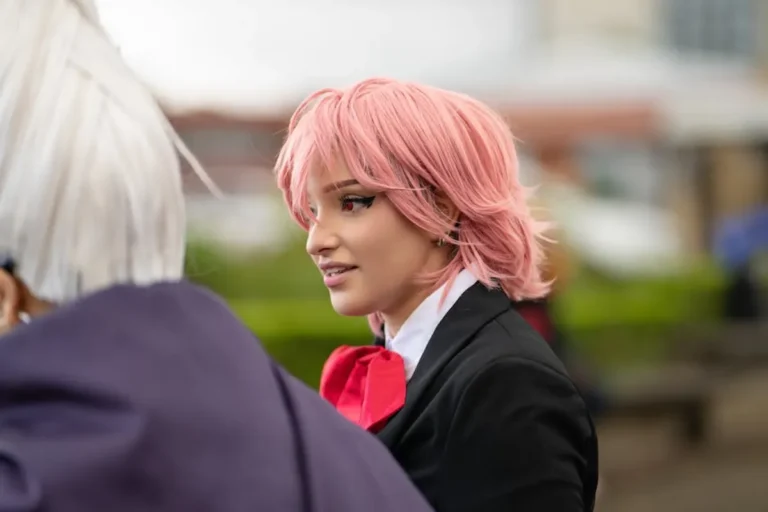
Beyond official collaborations, a substantial portion of the crossover trend is fueled by fan communities. User-generated content, including fan art, elaborate cosplay, game modifications (mods), and fan fiction, bridges the gap between anime and gaming. Online forums, social media groups, and streaming platforms serve as hubs where fans discuss, create, and share content that blurs the lines between their favorite anime series and video games. This organic engagement provides valuable insights into fan preferences and often pioneers new crossover concepts that can later inspire official ventures.
Key Crossover Trend Categories to Monitor
Analyzing the specific types of crossovers helps in dissecting their appeal and commercial potential. These categories are not mutually exclusive but offer distinct avenues for engagement.
Direct Game Adaptations of Anime IPs
This category includes video games that directly translate popular anime series into interactive experiences. Success here hinges on fidelity to the source material, engaging gameplay mechanics, and a deep understanding of what fans value in the original anime. Examples range from fighting games like *Guilty Gear* and *Dragon Ball FighterZ* to role-playing games such as *Persona 5 Royal* and *Attack on Titan 2*, which often expand on existing narratives or allow players to relive iconic moments.
Anime-Inspired Game Design and Aesthetics
Many successful original game IPs adopt anime's distinctive art styles, character designs, and narrative structures without being direct adaptations. Games like *Genshin Impact*, *Honkai: Star Rail*, and *Tales of Arise* demonstrate how anime aesthetics, combined with compelling gameplay and storytelling, can attract a global audience that appreciates both mediums. This trend highlights the broader influence of anime on game development beyond specific IP licensing.
In-Game Events and Character Skins
Limited-time events and cosmetic items featuring anime characters or themes within popular games are a highly effective way to tap into crossover appeal. *Fortnite* has repeatedly demonstrated this with collaborations featuring *Naruto*, *Dragon Ball*, and *Attack on Titan*, offering character skins, emotes, and in-game challenges. These events generate significant revenue through cosmetic sales and drive player engagement by creating unique, time-sensitive content.
Transmedia Storytelling and Shared Universes
Some franchises are designed from the outset to exist across both anime and gaming, creating interconnected narratives and shared universes. This approach allows for deeper world-building and offers fans multiple entry points into a cohesive story. The *Pokémon* franchise, with its simultaneous releases of games, anime series, and films, is a prime example of successful transmedia storytelling that continuously reinforces fan engagement across different platforms.
Commercial Implications for Content Strategy
Understanding these crossover trends provides actionable intelligence for businesses aiming to connect with this demographic.
- Audience Targeting: Identify shared demographics between specific anime genres and game categories. For example, fans of shonen anime often overlap with players of fighting games and action RPGs.
- Content Development: Inform the creation of new games, animated series, or webcomics that deliberately blend elements from both worlds.
- Marketing Campaigns: Design promotional materials that resonate with both anime and gaming aesthetics, using relevant jargon, character archetypes, and visual cues.
- Partnership Opportunities: Seek collaborations with established anime studios, game developers, or popular streamers and content creators who operate within this crossover space.
- Merchandise Strategy: Develop products that cater to the combined interests, such as gaming peripherals with anime branding or apparel featuring crossover designs.
Pro Tip: Monitor fan-created content and discussions on platforms like Reddit, Twitter, and TikTok. These communities often predict emerging crossover desires and highlight specific character pairings or thematic blends that resonate, providing invaluable, unfiltered market research.
Tracking Emerging Crossover Trends
Staying ahead in this dynamic landscape requires continuous monitoring and analysis. Businesses should implement robust tracking mechanisms to identify new trends as they emerge. This involves:
- Analyzing social media sentiment and engagement around specific anime and game titles.
- Monitoring gaming news sites, anime news outlets, and dedicated fan forums for announcements and discussions.
- Tracking sales data for crossover merchandise and in-game cosmetics.
- Observing streaming platforms (Twitch, YouTube Gaming) for popular anime-themed game streams or anime watch parties.
- Engaging with community managers and influencers who specialize in both anime and gaming content.
Capitalizing on Crossover Momentum
For content creators and businesses, capitalizing on anime and gaming crossover momentum involves strategic planning and execution. This means not just observing trends but actively participating in and contributing to the cultural conversation. Develop content that speaks directly to the shared passions of this audience, whether it's through analytical articles, video essays, fan art showcases, or community events. Consider licensing opportunities for existing IPs or developing original concepts that inherently bridge both worlds. The goal is to become an authentic part of the crossover ecosystem, building genuine connections with fans rather than simply observing from the periphery.
Frequently Asked Questions
What defines an "anime-gaming crossover trend"?
An anime-gaming crossover trend refers to the growing connection between Japanese animation (anime) and video games, encompassing direct adaptations, aesthetic influences, in-game collaborations, and fan-driven content that merges elements from both mediums.
Why are these crossover trends commercially significant?
These trends are commercially significant because they tap into highly engaged, often overlapping fan bases, creating opportunities for increased audience reach, diverse monetization through merchandise and in-game purchases, and enhanced brand loyalty across both entertainment sectors.
How can content creators identify new crossover opportunities?
Content creators can identify new opportunities by actively engaging with fan communities, monitoring social media for trending discussions, analyzing popular game and anime releases, and observing influencer content that successfully blends both mediums.
What are the risks of misinterpreting crossover trends?
Misinterpreting crossover trends can lead to inauthentic content, poorly received collaborations, and wasted marketing resources. Risks include alienating established fan bases by misrepresenting beloved characters or stories, or failing to capture the nuances of shared cultural references.