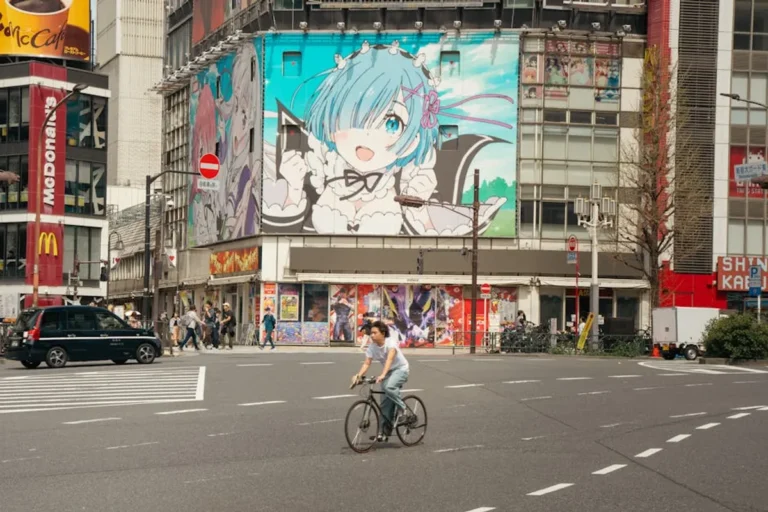
The convergence of anime and gaming represents a significant shift in entertainment consumption, presenting distinct opportunities for content creators, marketers, and developers. Understanding the specific crossover trends fans actively follow is not merely an exercise in cultural observation; it is a commercial imperative. This article details the mechanisms and implications of these trends, providing actionable insights for engaging a highly passionate and often overlapping audience. Recognizing these patterns allows for more targeted content development, effective marketing campaigns, and ultimately, deeper audience connection and monetization within these intertwined industries.
The Dynamic Landscape of Anime-Gaming Crossovers
The relationship between anime and gaming has evolved beyond simple adaptations, now encompassing a complex interplay of aesthetics, narratives, and community engagement. This symbiotic evolution creates new avenues for content and commerce, driven by fan enthusiasm and shared cultural touchstones.
Direct Adaptations and Expansions
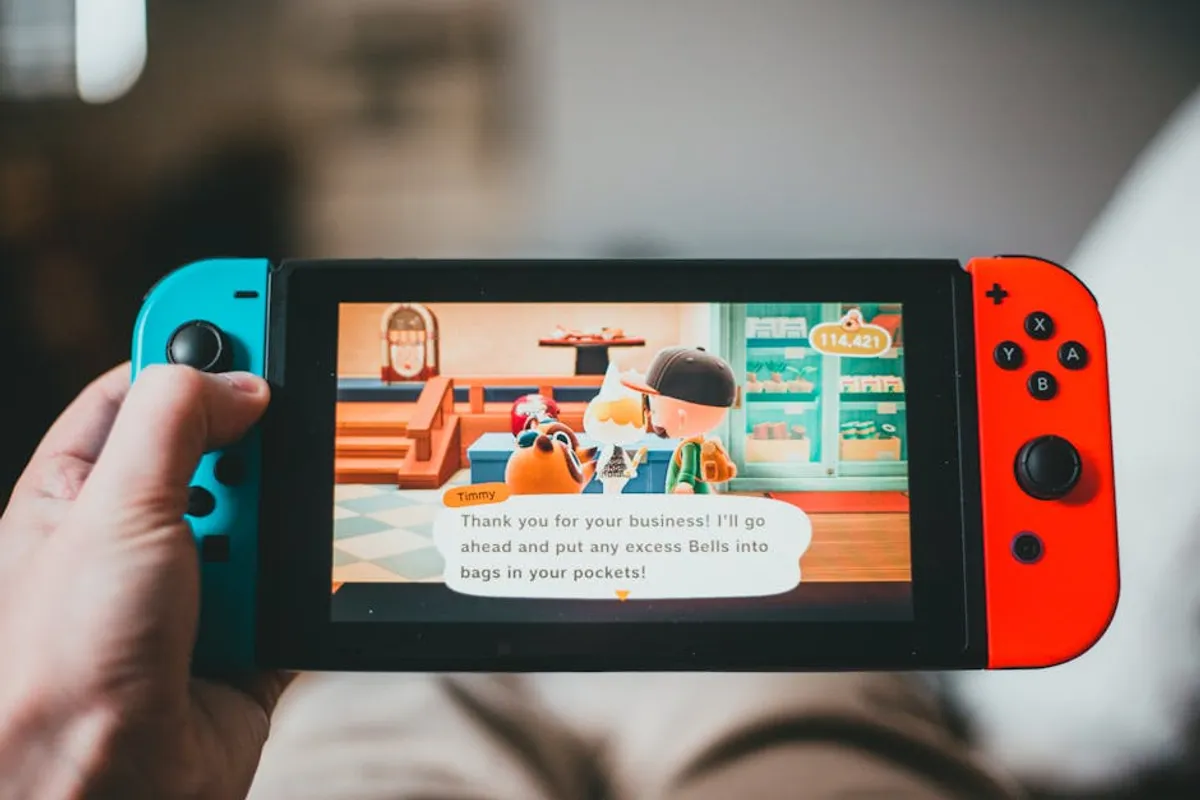
One of the most visible crossover trends involves direct adaptations. This includes video games based on popular anime series (e.g., Dragon Ball FighterZ, Genshin Impact's anime-inspired aesthetic) and anime series derived from successful game franchises (e.g., Arcane from League of Legends, Cyberpunk: Edgerunners from Cyberpunk 2077). These projects succeed by leveraging existing IP recognition and delivering experiences that respect the source material while expanding its universe. For marketers, these adaptations offer pre-built audiences, reducing initial awareness costs and allowing for direct engagement with established fanbases.
Aesthetic and Narrative Influence
Beyond direct adaptations, a subtler yet pervasive trend is the mutual aesthetic and narrative influence. Many games now incorporate anime-inspired art styles, character designs, and storytelling tropes, appealing directly to fans who appreciate these visual and narrative conventions. Conversely, anime often draws inspiration from gaming's interactive narratives, world-building techniques, and character progression arcs. This cross-pollination enriches both mediums, creating a shared visual and thematic language that resonates with a broad demographic.
Community Overlap and Shared Fandoms
The demographics for anime and gaming frequently overlap, fostering highly engaged communities that move fluidly between both worlds. Fans often share similar interests in fantasy, sci-fi, intricate storytelling, and character development, leading to shared discourse spaces online (forums, Discord servers, social media groups). This natural confluence means that content targeting one group often finds resonance with the other, facilitating cross-promotional efforts and amplifying reach. Monitoring these shared community spaces provides invaluable insight into emerging interests and potential collaboration opportunities.
Strategic Implications for Content Creators and Marketers
Understanding these crossover trends translates directly into strategic advantages for content development and audience engagement. It allows for more precise targeting, efficient resource allocation, and the creation of content that genuinely resonates.
Audience Segmentation and Targeting
The overlapping nature of anime and gaming fandoms enables more sophisticated audience segmentation. Instead of targeting "gamers" or "anime fans" as monolithic groups, marketers can identify sub-segments interested in specific crossover niches (e.g., fans of JRPGs and shonen anime, or tactical shooters and mecha anime). This precision allows for highly tailored ad campaigns, content recommendations, and partnership opportunities that deliver higher conversion rates.
Content Creation Opportunities
The crossover space is fertile ground for new content. This includes:
- Analysis and Commentary: Deep dives into shared narrative themes, character archetypes, or artistic influences across both mediums.
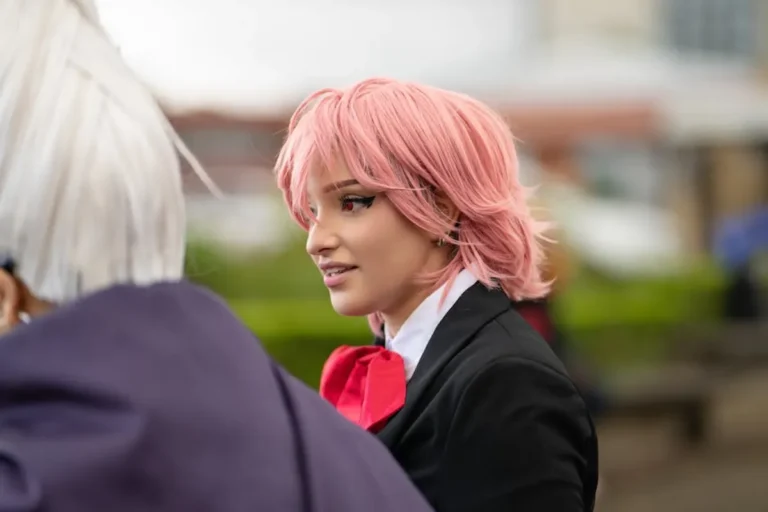
- Crossover Fan Content: Showcasing fan art, fanfiction, or cosplay that merges elements from anime and games.
- Review and Comparison: Evaluating game adaptations of anime, or anime adaptations of games, from a fan perspective.
- Event Coverage: Reporting on collaborative in-game events, anime conventions with strong gaming presence, or esports tournaments featuring anime-inspired titles.
- Influencer Collaborations: Partnering with streamers or YouTubers who bridge both communities, creating content that speaks to their blended audience.
Monetization Avenues and Brand Partnerships
Crossovers open diverse monetization strategies. This includes direct sales of game titles or anime subscriptions, but also extends to merchandise (figures, apparel, collectibles that blend IPs), sponsored content (e.g., game developers sponsoring anime review channels), and in-game collaborations (character skins, limited-time events). Brands looking to enter or expand within these markets can leverage existing fan loyalty by aligning with established crossover IPs or creators who authentically navigate both worlds.
Pro Tip: Authenticity is paramount. Fans are highly discerning and can quickly identify forced or superficial crossovers. Any content or product bridging anime and gaming must demonstrate a genuine understanding and respect for both source materials and their respective fan cultures. Inauthentic attempts risk alienating both audiences and damaging brand perception.
Engaging the Blended Audience Effectively
To effectively engage fans of anime and gaming crossovers, a multi-faceted approach focusing on community, relevance, and value is essential.
Monitoring Fan Discourse and Trends
Active monitoring of social media platforms (Twitter, Reddit, TikTok), dedicated forums, and streaming platforms (Twitch, YouTube Gaming) is critical. These spaces are where new crossover interests emerge, fan sentiments are expressed, and viral content originates. Tools for social listening can help identify trending topics, popular discussions, and influential voices within the blended community.
Leveraging Niche Communities
Beyond broad platforms, engaging with niche communities centered around specific anime series, game franchises, or crossover pairings can yield high returns. Participating in these spaces, providing valuable content, and fostering genuine interactions builds credibility and trust, which are vital for long-term audience loyalty.
Cross-Platform Content Distribution
Content designed for crossover audiences should be distributed strategically across platforms relevant to both anime and gaming. This means optimizing video content for YouTube and Twitch, creating visually engaging posts for Instagram and TikTok, and participating in discussions on Reddit and Discord. A consistent presence across these varied channels ensures maximum reach within the target demographic.
Forecasting Future Crossover Dynamics
The future of anime and gaming crossovers will likely see increased integration of interactive elements within anime, more sophisticated narrative depth in games, and a continued blurring of lines between the two mediums. Emerging technologies like VR/AR could further enhance immersive crossover experiences, while AI-driven content creation might allow for personalized crossover narratives. Staying agile and responsive to these technological and cultural shifts will be key to capitalizing on future trends.
Staying Ahead in the Crossover Space
To maintain relevance and capture audience attention within the anime and gaming crossover landscape, continuous adaptation is necessary. Regularly analyze fan engagement metrics, experiment with new content formats, and foster direct communication channels with your audience. The communities at the heart of these trends are dynamic; your strategy must be too.
Frequently Asked Questions
What defines a successful anime-gaming crossover?
A successful crossover demonstrates deep understanding and respect for both original properties, offering fans a cohesive and authentic experience that expands the lore or aesthetic in meaningful ways, rather than just superficial branding.
How can content creators identify emerging crossover trends?
Monitoring social media, fan forums, streaming platforms, and industry news is crucial. Pay attention to fan-created content, discussions around new releases, and influencer activity to spot nascent interests and potential synergies.
What are the common pitfalls to avoid in crossover content?
Avoid inauthenticity, superficial connections, and neglecting the core essence of either IP. Poor execution, such as low-quality adaptations or forced collaborations, can alienate dedicated fanbases.
Is the anime and gaming crossover trend sustainable long-term?
Yes, the trend is sustainable due to the significant demographic overlap, shared cultural values, and the continuous evolution of both mediums. As technology advances and creative boundaries blur, new forms of crossovers will continue to emerge and thrive.